Knee pain is one of the most common musculoskeletal complaints among adults. It can affect people of all ages, from athletes and active adults to office workers and seniors. Whether the pain starts after an injury or develops gradually over time, it can make walking, climbing stairs, exercising, or even standing for long periods uncomfortable.
Many people assume knee pain always begins in the knee itself. While that is often true, problems involving the hips, ankles, feet, or spine can also change the way your body moves and place extra stress on the knee joint.
If your knee pain continues despite rest, you may wonder, can a chiropractor help with knee pain? The answer depends on the underlying cause of your symptoms, but many people with musculoskeletal knee pain benefit from conservative chiropractic care.
The answer depends on the cause of your symptoms. Chiropractors evaluate how the entire musculoskeletal system works together. In many cases, improving joint movement, correcting biomechanical problems, reducing muscle tension, and strengthening supporting muscles may help reduce knee pain and improve mobility.
This guide explains common causes of knee pain, how chiropractors evaluate knee problems, and when chiropractic care may be an appropriate treatment option.

Can a Chiropractor Help with Knee Pain?
Yes. Chiropractic care may help certain types of knee pain.
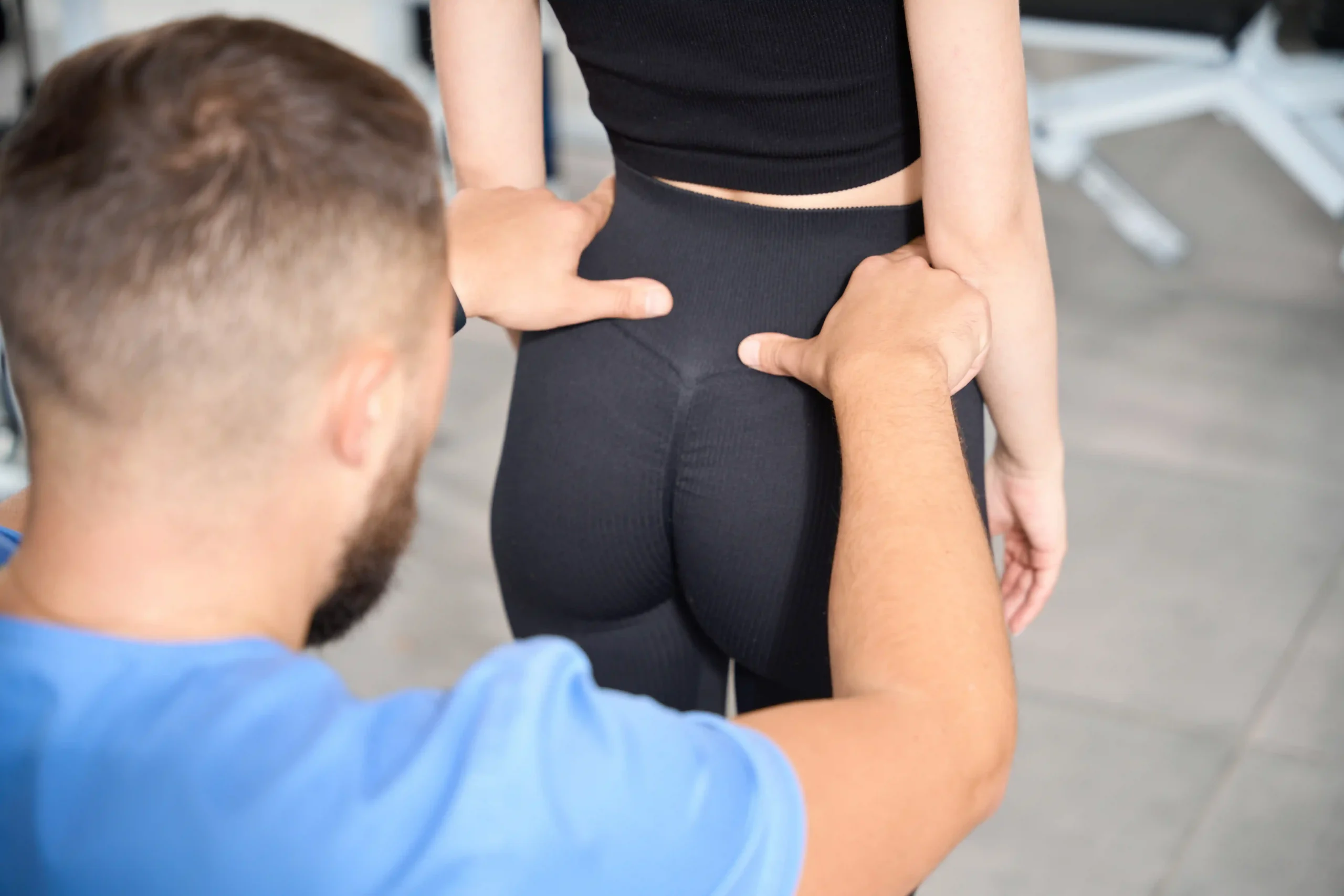
A chiropractor focuses on how your joints, muscles, ligaments, tendons, and nerves work together. Instead of looking only at the knee, they also evaluate nearby joints that may affect your movement.
For example, reduced movement in the hips, ankles, or pelvis can change your walking pattern. Over time, this may increase stress on one or both knees.
Treatment depends on the underlying cause. Some knee conditions respond well to conservative care, while others require medical or surgical treatment.
A thorough examination helps determine the most appropriate approach.
Understanding How the Knee Works
The knee is one of the largest and most frequently used joints in the body.
Every time you walk, run, squat, climb stairs, or stand up from a chair, your knees absorb significant force.
The knee consists of several structures working together. Before deciding can a chiropractor help with knee pain, it is important to understand how the knee functions and why pain may develop in this complex joint.
Bones
Three bones form the knee joint.
Femur
The femur is your thigh bone.
It forms the upper part of the knee.
Tibia
The tibia, or shin bone, supports most of your body weight below the knee.
Patella
The kneecap protects the front of the joint and improves the function of the thigh muscles.
Cartilage
Cartilage covers the ends of the bones.
It allows smooth movement and reduces friction.
Meniscus
Each knee contains two menisci.
These C-shaped pieces of cartilage absorb shock and help stabilize the joint.
Ligaments
Four major ligaments provide stability.
They prevent excessive movement during walking, running, and jumping.
Tendons
Tendons connect muscles to bones and allow movement.
Muscles
The quadriceps, hamstrings, calves, and hip muscles all contribute to healthy knee function.
Weakness or imbalance in these muscles may increase stress on the joint.
Common Causes of Knee Pain
Many different conditions can affect the knee.
Identifying the cause is important because treatment varies depending on the diagnosis.
Osteoarthritis
Osteoarthritis is one of the leading causes of chronic knee pain.
Over time, cartilage gradually wears down.
As the protective cartilage becomes thinner, bones may rub against one another.
Common symptoms include:
• Pain during activity
• Morning stiffness
• Swelling
• Reduced flexibility
• Difficulty walking long distances
Runner’s Knee
Runner’s knee, also called patellofemoral pain syndrome, causes pain around or behind the kneecap.
It commonly develops because of:
Repetitive Activities
Running, jumping, or cycling may overload the knee joint.
Muscle Imbalances
Weak hip or thigh muscles may affect kneecap movement.
Poor Alignment
Abnormal movement patterns may increase pressure on the kneecap.
Tendinitis
Inflammation of a tendon often develops after repetitive activity.
Patellar tendinitis is common among athletes who participate in sports involving jumping.
Bursitis
Small fluid-filled sacs called bursae reduce friction around the knee.
Inflammation of these sacs may cause swelling and pain.
Meniscus Tear
A meniscus tear often occurs after twisting the knee while the foot remains planted.
Symptoms may include:
• Sharp pain
• Swelling
• Locking
• Clicking
• Difficulty bending the knee
Ligament Injuries
The ACL, MCL, PCL, and LCL help stabilize the knee.
Sports injuries frequently damage these ligaments.
Severe ligament injuries often require orthopedic evaluation.
Iliotibial Band Syndrome
The iliotibial band runs from the hip to the outside of the knee.
When it becomes tight, it may create pain along the outer portion of the knee.
This condition commonly affects runners and cyclists.
Muscle Imbalances
Weakness in the hips or core may increase stress on the knee during walking or exercise.
Poor Biomechanics
Flat feet, ankle instability, or hip dysfunction can alter movement patterns.
Over time, these changes may contribute to knee pain.
Symptoms of Knee Pain
Symptoms vary depending on the underlying condition.
Common symptoms include:
Pain
Pain may be:
• Sharp
• Dull
• Aching
• Burning
Pain may occur during activity, at rest, or both.
Swelling
Inflammation often develops after injury or arthritis.
Stiffness
The knee may feel difficult to bend after sitting for long periods.
Instability
Some people feel as though their knees may give way while walking.
Clicking or Popping
Joint noises are common with certain knee conditions.
Painful clicking should be evaluated.
Reduced Range of Motion
You may have difficulty fully bending or straightening the knee.

Risk Factors for Knee Pain
Several factors increase your likelihood of developing knee problems.
Age
Cartilage naturally changes over time.
Older adults have a greater risk of osteoarthritis.
Previous Injury
A history of ligament tears or fractures increases the likelihood of future knee pain.
Excess Body Weight
Walking places several times your body weight across each knee.
Even modest weight loss may reduce stress on the joint.
Sports Participation
Running, basketball, soccer, tennis, and volleyball involve repeated stress on the knees.
Poor Flexibility
Tight muscles may limit normal movement.
Weak Muscles
Weak hips, thighs, or core muscles may increase pressure on the knees.
Occupation
Jobs requiring frequent kneeling, lifting, squatting, or climbing may contribute to knee pain over time.
How Is Knee Pain Diagnosed?
A proper diagnosis helps determine the best treatment plan. Before deciding can a chiropractor help with knee pain, your healthcare provider or chiropractor must identify the underlying cause of your symptoms through a detailed history and physical examination.
Medical History
Your healthcare provider may ask:
When did the pain begin?
Did the pain start after an injury?
Does the knee lock or give way?
What activities make the pain worse?
Have you noticed swelling?
Your answers help narrow the possible causes.
Physical Examination
Several tests may be performed during your evaluation.
Range of Motion
Your provider checks how well your knee bends and straightens.
Joint Stability
Special tests help identify ligament injuries.
Muscle Strength
Weakness in the hips or legs may contribute to knee pain.
Walking Assessment
Watching how you walk often reveals movement problems affecting the knee.
Alignment Evaluation
Your hips, ankles, pelvis, and feet may also be examined because they influence knee mechanics.
Imaging Studies
Imaging is not required for every patient.
However, additional testing may be recommended depending on your symptoms.
X-rays
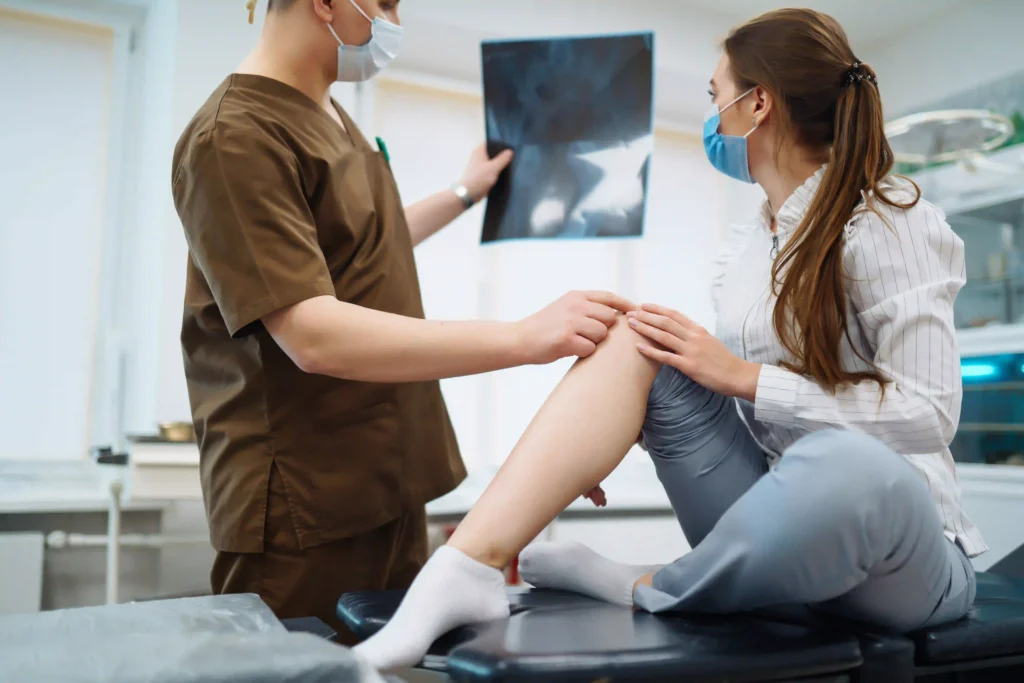
X-rays help identify arthritis, fractures, and changes in joint alignment.
MRI
MRI provides detailed images of cartilage, ligaments, tendons, and the meniscus.
It is commonly ordered when soft tissue injury is suspected.
Ultrasound
Ultrasound may help evaluate certain tendon and soft tissue conditions.
When Should You See a Chiropractor or Healthcare Provider?
Minor knee soreness after exercise often improves within a few days.
However, professional evaluation is recommended if:
• Pain lasts longer than one week.
• Walking becomes difficult.
• Swelling continues to increase.
• The knee repeatedly gives way.
• You cannot fully bend or straighten your knee.
• Symptoms began after a fall, sports injury, or car accident.
• Pain interferes with work, exercise, or sleep.
Early evaluation may prevent minor problems from becoming more serious.
A chiropractor can determine whether your knee pain is related to joint function, muscle imbalance, posture, or movement patterns. If your condition requires another type of care, such as orthopedic treatment or advanced imaging, you can be referred to the appropriate healthcare provider without delaying proper treatment.
How Can Chiropractic Care Help Knee Pain?
Chiropractic care focuses on improving how your joints, muscles, and nervous system work together. When the knee is not moving properly or nearby joints affect the way you walk, chiropractic treatment may help reduce stress on the knee and improve function.
Every treatment plan begins with a detailed examination. Your chiropractor will determine whether your knee pain is appropriate for conservative care or whether you should be referred to another healthcare provider.
Many patients ask, can a chiropractor help with knee pain caused by arthritis, runner’s knee, tendon injuries, or muscle imbalances. The answer depends on the underlying condition, but chiropractic care may improve joint function, mobility, and movement patterns for many musculoskeletal knee problems.
Comprehensive Evaluation
Before treatment begins, your chiropractor will assess several areas.
Joint Movement
Your chiropractor evaluates how well your knee moves during bending, straightening, and walking.
Hip and Pelvic Alignment
Limited movement in the hips or pelvis can change the way your knee moves with every step.
Ankle and Foot Function
Restricted ankle movement or flat feet may place extra stress on the knee joint.
Muscle Strength
Weak muscles around the hips, thighs, or core can reduce knee stability.
Walking Pattern
Watching you walk helps identify movement patterns that may contribute to pain.
Chiropractic Adjustments for Knee Pain
Many people associate chiropractic care only with the spine. Chiropractors may also evaluate and treat joints in the lower body when appropriate. If you have been wondering can a chiropractor help with knee pain, gentle chiropractic adjustments may improve joint mobility and reduce unnecessary stress on the knee when clinically appropriate.
If joint restrictions are contributing to your symptoms, gentle adjustments may help restore normal movement.
Improving joint mobility may help:
• Reduce joint stiffness
• Improve flexibility
• Support better movement patterns
• Reduce stress placed on the knee
Treatment is always based on your examination findings and overall health.
Soft Tissue Therapy
Muscles, tendons, and ligaments play an important role in knee function.
Tight or irritated soft tissues can limit movement and increase discomfort.
Soft tissue therapy may include hands-on techniques that help:
• Reduce muscle tightness
• Improve circulation
• Increase flexibility
• Reduce muscle soreness
• Improve tissue mobility
This treatment is often combined with exercise for better long-term results. For many patients asking can a chiropractor help with knee pain, combining soft tissue therapy with chiropractic adjustments and rehabilitation exercises may improve overall recovery.
Therapeutic Exercises
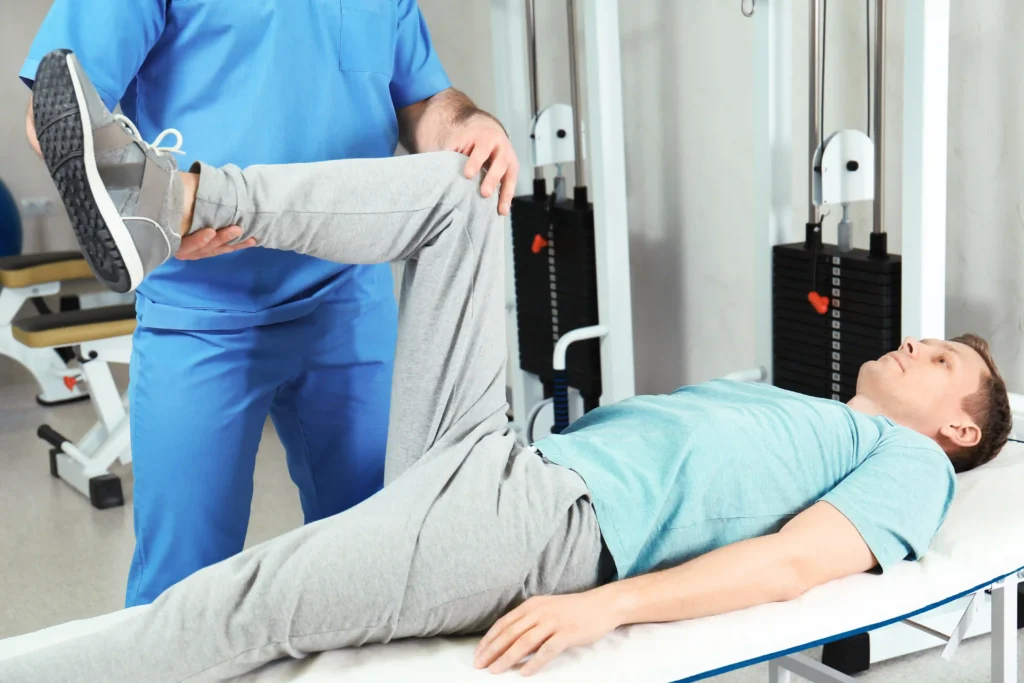
Exercise is one of the most important parts of recovering from knee pain.
Your chiropractor may recommend exercises that improve strength, flexibility, and stability.
Straight Leg Raises
Straight leg raises strengthen the quadriceps without placing excessive pressure on the knee.
How to perform:
- Lie on your back.
- Bend one knee while keeping the other leg straight.
- Lift the straight leg several inches.
- Hold for a few seconds.
- Slowly lower the leg.
- Repeat ten to fifteen times.
Hamstring Stretch
Tight hamstrings may affect knee movement.
Hold each stretch for 20 to 30 seconds.
Repeat two to three times on each leg.
Calf Stretch
Flexible calf muscles help improve walking mechanics.
Stretch both legs daily.
Clamshell Exercise
This exercise strengthens the hip muscles that support the knee.
Strong hip muscles often reduce pressure on the knee joint.
Mini Squats
Mini squats help strengthen the lower body while limiting stress on the knee.
Keep movements slow and controlled.
Can Massage Therapy Help Knee Pain?
Massage therapy may reduce muscle tightness surrounding the knee and improve circulation.
Medical massage is commonly used alongside chiropractic care and exercise.
Potential benefits include:
• Reduced muscle tension
• Improved flexibility
• Better blood flow
• Less soreness after activity
• Improved recovery following exercise
Massage therapy is usually part of a broader treatment plan rather than the only treatment.
Other Conservative Treatments
Depending on your condition, additional treatments may help.
Activity Modification
Avoid activities that increase pain while remaining as active as possible.
Low-impact exercise is often recommended during recovery.
Ice Therapy
Ice may reduce swelling after activity or injury.
Apply ice for 15 to 20 minutes.
Always place a towel between the ice pack and your skin.
Heat Therapy
Heat may relax tight muscles before stretching or exercise.
Knee Bracing
A brace may provide additional support during certain activities.
Your healthcare provider can determine whether bracing is appropriate.
Foot Orthotics
Custom or over-the-counter shoe inserts may improve lower body alignment for some individuals.
Home Care Tips for Knee Pain
Healthy daily habits can support recovery and reduce future flare-ups.
Consider these recommendations:
• Maintain a healthy body weight.
• Wear supportive footwear.
• Warm up before exercise.
• Stretch after physical activity.
• Avoid sudden increases in training intensity.
• Stay physically active.
• Take breaks if you sit for long periods.
• Use proper lifting techniques.
• Follow your exercise program consistently.
Small daily changes often make a significant difference over time. While home care is important, people who continue to ask can a chiropractor help with knee pain should consider a professional evaluation to identify any underlying joint or movement problems.
Can Knee Pain Be Prevented?
Although some injuries cannot be prevented, many cases of knee pain can be reduced through healthy movement habits.
Strengthen Your Legs
Strong quadriceps, hamstrings, glutes, and calves provide better support for the knee.
Improve Hip Strength
Weak hips often contribute to abnormal knee movement.
Hip strengthening exercises may improve overall lower body mechanics.
Stretch Regularly
Flexible muscles allow joints to move more efficiently.
Wear Proper Footwear
Replace worn-out athletic shoes regularly.
Supportive footwear helps maintain healthy alignment.
Maintain a Healthy Weight
Every extra pound increases pressure on the knees during walking and stair climbing.
Maintaining a healthy weight may reduce joint stress.
Increase Activity Gradually
Avoid increasing exercise duration or intensity too quickly.
Gradual progression lowers the risk of overuse injuries.
When Is Surgery Necessary?
Many knee conditions improve with conservative treatment.
However, surgery may be recommended for certain problems.
Examples include:
• Complete ligament tears
• Severe meniscus injuries
• Advanced osteoarthritis in some patients
• Fractures involving the knee
• Conditions that do not improve with conservative care
An orthopedic specialist can determine whether surgery is appropriate.
When Should You Seek Immediate Medical Care?
Seek emergency medical attention if you experience:
Severe Knee Deformity
A visibly deformed knee may indicate a fracture or dislocation.
Inability to Bear Weight
If you cannot stand or walk after an injury, seek prompt evaluation.
Rapid Swelling
Significant swelling shortly after an injury may indicate serious internal damage.
Fever with Knee Swelling
Fever combined with joint swelling may indicate an infection.
Loss of Sensation
Numbness or weakness below the knee requires immediate medical attention.
Frequently Asked Questions
1. Can a chiropractor help with knee pain?
A chiropractor may help certain types of knee pain by evaluating joint movement, muscle balance, posture, and lower body mechanics. Treatment depends on the cause of your symptoms.
2. Does chiropractic care work for knee arthritis?
Many people with mild to moderate knee arthritis benefit from conservative treatments that improve joint mobility, strengthen surrounding muscles, and support better movement.
3. Can hip problems cause knee pain?
Yes. Limited hip movement or weak hip muscles may change your walking pattern and increase stress on the knee.
4. Can a chiropractor adjust the knee?
When appropriate, chiropractors may use gentle manual techniques to improve movement in the knee joint and surrounding structures.
5. How many chiropractic visits are needed for knee pain?
The number of visits depends on your diagnosis, symptom severity, overall health, and treatment goals.
6. Is chiropractic care safe for knee pain?
After a proper evaluation, chiropractic care is considered a safe conservative treatment option for many musculoskeletal conditions.
7. Should I exercise if my knee hurts?
Gentle exercises are often beneficial, but they should be appropriate for your condition. Stop any exercise that causes sharp or worsening pain.
8. Can poor posture cause knee pain?
Yes. Poor posture and abnormal walking patterns can increase pressure on the knees over time.
9. Can chiropractic care help after a knee injury?
Depending on the type of injury, chiropractic care may support recovery after the acute phase by improving movement, strength, and function. Serious injuries should be evaluated promptly.
10. When should I see a chiropractor for knee pain?
You should consider an evaluation if knee pain lasts longer than a week, returns frequently, limits daily activities, or affects the way you walk.
Conclusion
Knee pain can develop from arthritis, overuse, sports injuries, muscle imbalances, poor movement patterns, or problems involving nearby joints such as the hips, pelvis, or ankles. Identifying the underlying cause is essential because the most effective treatment depends on an accurate diagnosis.
For many people, conservative care provides meaningful relief. Chiropractic care may help improve joint movement, reduce muscle tension, correct movement patterns, and restore function when the condition is appropriate for this type of treatment. Therapeutic exercises, soft tissue therapy, activity modification, and healthy lifestyle habits often work together to support recovery and reduce the risk of future problems.
If your knee pain continues, becomes more severe, or limits your ability to work, exercise, or enjoy daily activities, a professional evaluation is the next step. At Apex Chiropractic & Wellness, we perform a comprehensive assessment to identify the source of your symptoms and develop a personalized treatment plan focused on reducing pain, improving mobility, and helping you return to the activities that matter most.