Hip pain can affect your ability to walk, sit, sleep, exercise, and complete daily activities. The pain may start suddenly after an injury, or it may develop slowly over time. Some people feel pain directly around the hip joint. Others notice discomfort in the groin, buttocks, lower back, or upper thigh.
Hip pain can affect anyone, but certain conditions that cause hip pain are more common in women. Differences in anatomy, hormones, pregnancy, bone health, and certain joint conditions can all play a role.
The location and type of pain can provide useful clues about what may be causing your symptoms. However, hip pain does not always come directly from the hip joint. Problems involving the lower back, sacroiliac joints, muscles, tendons, or nerves can also cause pain that feels like it is coming from the hip.
If your hip pain continues, worsens, or affects your daily activities, an evaluation can help identify the possible cause and determine the appropriate treatment.
What Is Hip Pain?
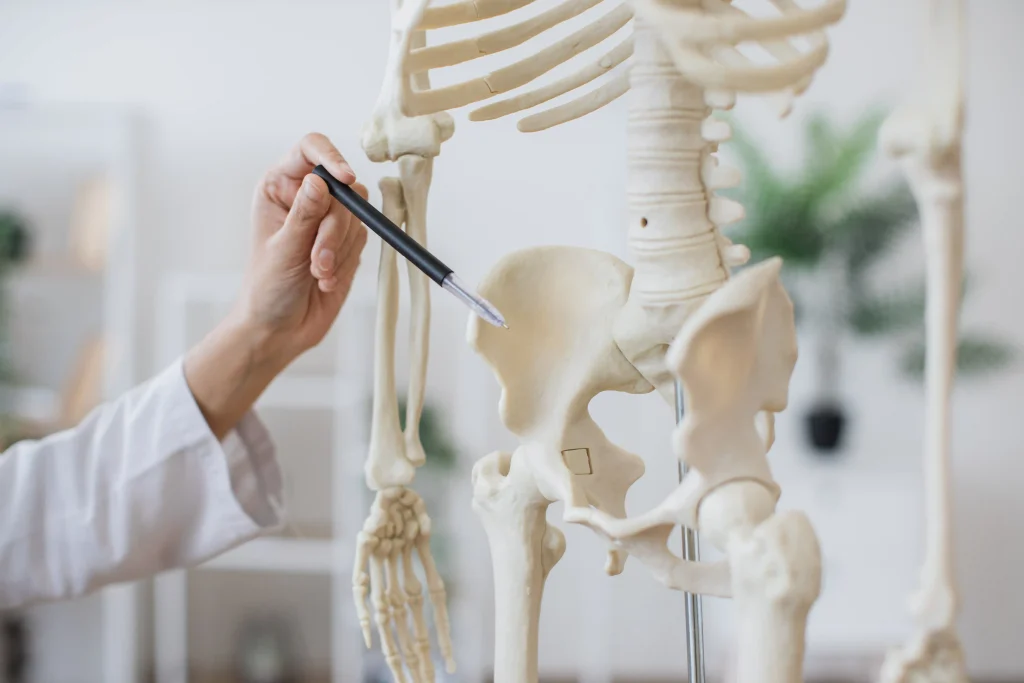
The hip is one of the body’s largest joints. It connects the thigh bone, called the femur, to the pelvis. The joint is a ball and socket joint that allows you to walk, sit, bend, rotate your leg, and perform many other movements.
Several structures work together to support the hip, including:
- Bones
- Cartilage
- Muscles
- Tendons
- Ligaments
- Bursae
- Nerves
A problem affecting any of these structures can cause hip pain.
The pain may feel sharp, dull, aching, burning, or stiff. Some people experience pain only during movement. Others feel discomfort while resting or sleeping.
The exact location of the pain can also vary.
Pain in the Front of the Hip or Groin
Pain in the front of the hip or groin may come from the hip joint itself. Conditions such as osteoarthritis, labral problems, hip impingement, or fractures may cause pain in this area.
Pain on the Outside of the Hip
Outer hip pain may involve the tendons and muscles surrounding the hip. Greater trochanteric pain syndrome is one possible cause.
People with this type of pain may find it uncomfortable to lie on the affected side.
Pain in the Buttocks or Back of the Hip
Pain in the buttocks may come from the hip, lower back, sacroiliac joint, or nearby muscles.
Sciatica can also cause pain that travels through the buttocks and down the leg. This means hip pain and lower back problems can sometimes have overlapping symptoms.
What Causes Hip Pain in Women?
Hip pain can develop for many reasons. Some causes are related to injury or overuse. Others develop gradually because of changes in the joint or surrounding tissues.
Here are some of the most common causes.
Osteoarthritis of the Hip
Osteoarthritis occurs when the tissues within a joint change over time. It commonly affects weight-bearing joints, including the hips.
Hip osteoarthritis may cause:
- Groin pain
- Stiffness
- Reduced range of motion
- Pain during walking
- Difficulty getting up from a chair
- Discomfort after activity
- Pain that may worsen as the condition progresses
Age is one risk factor, but osteoarthritis can also be influenced by previous joint injuries, certain structural differences, genetics, and body weight.
Women are commonly affected by osteoarthritis, particularly as they get older.
How Hip Osteoarthritis Can Affect Daily Life
Simple activities can become difficult when hip movement causes pain. You may struggle with stairs, putting on shoes, walking longer distances, or standing for extended periods.
An evaluation can help determine whether the pain is coming from the hip joint or another structure.
Greater Trochanteric Pain Syndrome
Pain on the outside of the hip is often linked to greater trochanteric pain syndrome. This condition can involve the tendons and bursae around the outer part of the hip.
Symptoms may include:
- Pain on the outside of the hip
- Tenderness when touching the area
- Pain when lying on one side
- Pain during walking or climbing stairs
- Pain after prolonged standing
This condition is reported more often in women than in men.
Hip muscle weakness, changes in movement patterns, and stress on the tendons may contribute to symptoms.
Hip Bursitis
Bursae are small fluid-filled sacs that help reduce friction between tissues. When a bursa becomes irritated, it can contribute to pain around the hip.
Hip bursitis may cause tenderness and pain around the outer hip.
Repeated movements, pressure on the area, changes in activity, or other conditions affecting the hip can contribute to irritation.
However, not all outer hip pain is caused by bursitis. An evaluation can help identify whether the pain involves the bursa, tendons, muscles, or another structure.
Tendon and Muscle Problems
The muscles surrounding your hip help stabilize the pelvis and control movement. These muscles include the gluteal muscles, hip flexors, and other supporting structures.
Overuse, sudden increases in activity, or joint pain and soft tissue injuries can strain muscles or irritate tendons.
Common symptoms include:
- Pain during certain movements
- Muscle tenderness
- Weakness
- Stiffness
- Pain after exercise
- Difficulty walking or climbing stairs
People who start a new exercise program or increase their activity level too quickly may experience overuse-related symptoms.
Hip Labral Problems
The labrum is a ring of cartilage that helps support the hip joint.
A labral injury may occur because of trauma, repetitive movement, structural differences, or gradual tissue changes.
Symptoms can include:
- Groin pain
- Clicking or catching
- Stiffness
- A feeling that the hip movement is restricted
- Pain during twisting or deep hip movement
A healthcare professional may use a physical examination and imaging when needed to investigate persistent symptoms.
Femoroacetabular Impingement
Femoroacetabular impingement occurs when the bones of the hip joint have contact that can affect movement and surrounding structures.
Some people have structural changes that contribute to impingement. Others may not experience symptoms.
When symptoms occur, they can include groin pain, stiffness, and discomfort during movements that require deep bending or rotation.
Hip Fractures and Bone Health
A hip fracture is a serious injury that requires medical attention.
Older women have a higher risk of osteoporosis, a condition that weakens bones and increases fracture risk. The risk of osteoporosis increases after menopause because estrogen plays an important role in maintaining bone health.
A fall that might not cause a fracture in a younger person with healthy bone density can cause a serious injury in someone with weakened bones.
Signs of a possible hip fracture can include:
- Severe hip or groin pain
- Inability to stand or bear weight
- Difficulty moving the leg
- A leg that appears shorter or turned outward
Seek emergency medical care if you suspect a fracture.
Pregnancy and Hip Pain
Pregnancy can place additional stress on the muscles and joints of the pelvis and hips.
As pregnancy progresses, changes in body weight, posture, and movement can contribute to discomfort. Hormonal changes may also affect the ligaments around the pelvis.
Some women experience:
- Hip discomfort
- Pelvic pain
- Lower back pain
- Sacroiliac joint discomfort
- Pain while sleeping
Pregnancy-related pain should be discussed with a qualified healthcare professional, especially when symptoms are severe or interfere with normal movement.
Lower Back Problems and Sciatica
Hip pain does not always start in the hip.
Problems involving the lower back can cause pain that travels into the buttocks, hip area, or leg. Sciatica occurs when the sciatic nerve or nerve roots that contribute to it become irritated or compressed, and understanding what causes sciatic nerve pain can help explain why symptoms may extend into the hip or leg.
Symptoms may include:
- Pain that travels from the lower back or buttock into the leg
- Tingling
- Numbness
- Burning sensations
- Muscle weakness in some cases
A proper assessment is important because treating the painful area alone may not address the underlying source.
Why Is Hip Pain More Common in Women?
Women can experience hip pain for many of the same reasons as men. However, several factors may increase the likelihood of certain hip and pelvic conditions.
Differences in Hip and Pelvic Anatomy
The shape and structure of the pelvis can affect how forces move through the hips and lower body.
Individual anatomy varies significantly. However, differences in pelvic structure and lower limb alignment may influence joint loading and movement patterns.
For some people, these factors may contribute to stress on certain muscles, tendons, or joints.
Hormonal Changes
Hormones can affect several tissues in the body.
Estrogen is important for bone health. After menopause, declining estrogen levels contribute to an increased risk of osteoporosis.
Hormonal changes may also affect muscles, connective tissues, and how the body responds to physical stress.
Women may notice changes in joint or muscle symptoms during different stages of life.
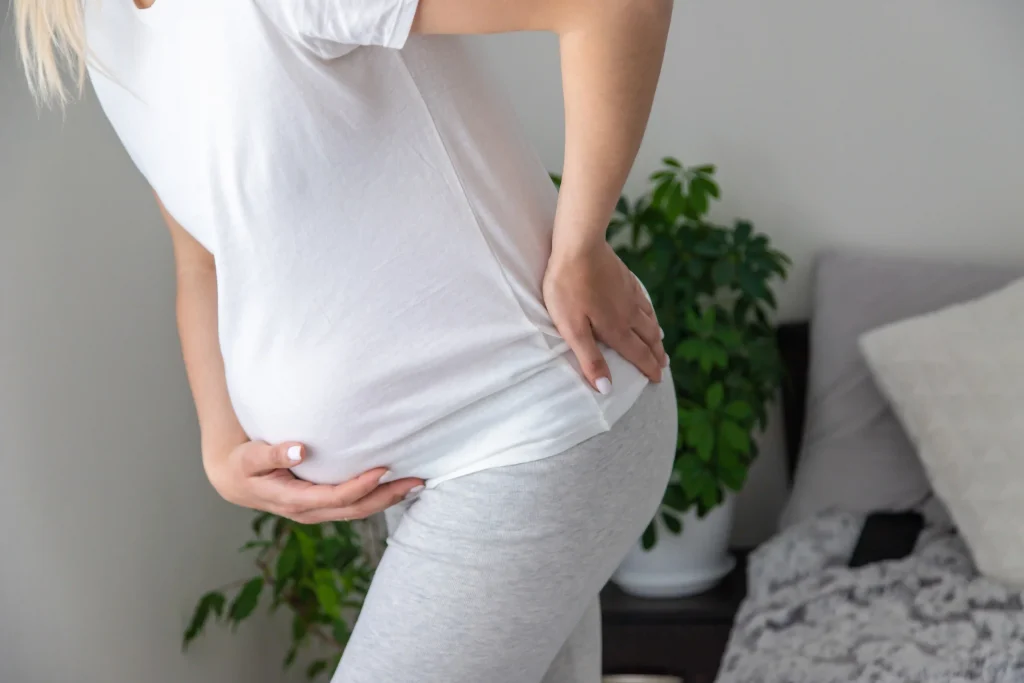
Pregnancy and Postpartum Changes
Pregnancy changes how weight is distributed through the body. The growing abdomen can also affect posture and movement.
The muscles of the abdomen, hips, and pelvis may work differently during and after pregnancy. Some women continue to experience hip or pelvic symptoms after delivery.
A personalized treatment plan can help address movement limitations and muscle weakness when appropriate.
Higher Rates of Certain Hip Conditions
Research has shown that some conditions involving the outer hip, including greater trochanteric pain syndrome, occur more often in women.
Women also have a greater risk of osteoporosis and hip fractures later in life.
This does not mean that every case of hip pain in a woman has the same cause. An individual assessment is necessary.
Changes in Muscle Strength and Movement
Weakness in the muscles that support the hip and pelvis can affect movement.
For example, weak hip muscles may make it harder to control the position of the pelvis and leg during walking, running, or climbing stairs.
A healthcare professional may recommend specific therapeutic exercises to improve strength and movement when they are appropriate for your condition.
Symptoms That Can Accompany Hip Pain
Hip pain may appear with other symptoms. Paying attention to these details can help your healthcare provider understand the possible cause.
Common symptoms include:
- Stiffness
- Reduced range of motion
- Groin pain
- Outer hip tenderness
- Pain when walking
- Pain while lying on one side
- Clicking or catching
- Muscle weakness
- Pain that travels into the thigh or leg
- Numbness or tingling
The severity of your symptoms matters.
Mild soreness after unusual physical activity may improve with time and appropriate rest. Persistent or worsening pain needs further attention.
When Should You Seek Medical Care for Hip Pain?
You should seek prompt medical attention if you experience:
- Severe pain after a fall or accident
- Inability to stand or bear weight
- A visible deformity
- Sudden swelling with severe pain
- Fever along with a painful joint
- Increasing redness or warmth around the joint
- New loss of bladder or bowel control
- Significant leg weakness or numbness
These symptoms may indicate a condition that requires urgent evaluation.
You should also schedule an assessment if your hip pain lasts for several weeks, keeps returning, or limits your ability to complete normal activities.
How Is Hip Pain Diagnosed?
Diagnosis starts with a detailed medical history and physical examination.
Your healthcare provider may ask:
- When did the pain begin?
- Did an injury occur?
- Where exactly do you feel the pain?
- What movements make the pain worse?
- Does the pain travel into your leg?
- Do you have numbness or weakness?
- Has the pain affected your sleep?
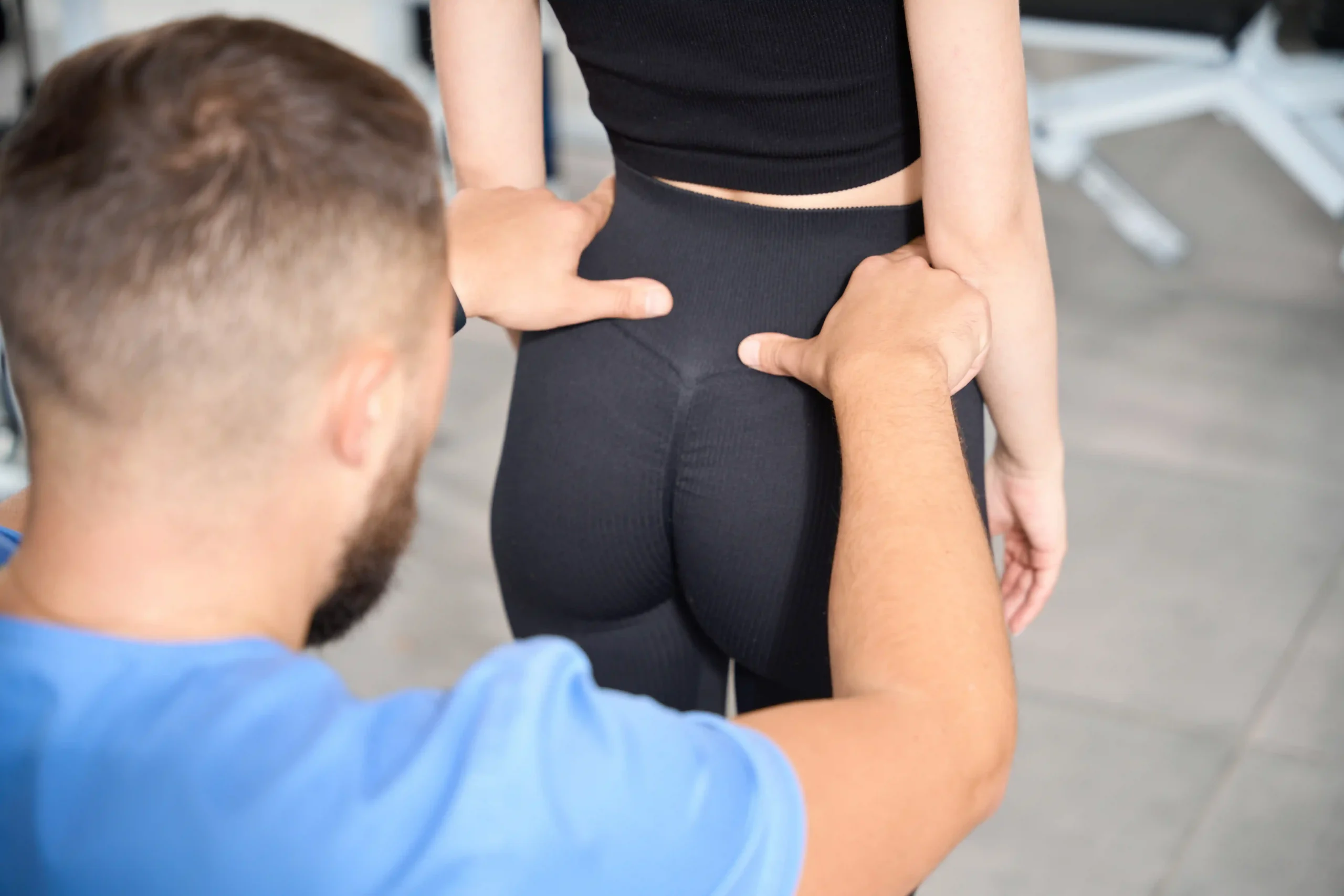
The physical examination may include movement testing, strength testing, and an assessment of the hip, pelvis, and lower back.
Imaging and Other Tests
Depending on your symptoms, a healthcare provider may recommend imaging such as:
- X-rays
- Magnetic resonance imaging, also called MRI
- Other diagnostic tests when medically appropriate
Imaging is not necessary for every case of hip pain. The choice depends on your symptoms, physical examination, injury history, and suspected condition.
Hip Pain Treatment Options
Treatment depends on the cause of your symptoms.
A plan that works for one condition may not be appropriate for another. A proper diagnosis is important before starting treatment.
Activity Modification
Temporary changes in activity can reduce stress on a painful structure.
This does not always mean complete bed rest.
Long periods of inactivity can lead to stiffness and muscle weakness. Your healthcare provider can help you determine which movements are safe and which activities should be limited.
Therapeutic Exercises
Exercise may help improve strength, flexibility, and movement control.
The right exercises depend on the cause of your hip pain.
Examples of Exercises That May Be Recommended
Depending on your condition, a provider may recommend exercises focused on:
- Hip muscle strength
- Gluteal muscle activation
- Core stability
- Range of motion
- Balance
- Movement control
Avoid copying exercises from the internet if they increase your pain. A movement that helps one hip condition may aggravate another.
Chiropractic Care for Hip and Related Pain
Some people with musculoskeletal hip or lower back symptoms may seek chiropractic care for hip pain as part of a broader treatment plan.
A chiropractor can evaluate how the hip, pelvis, lower extremities, spine, and surrounding muscles move and function. Care may include manual treatment and recommendations for therapeutic exercises when appropriate.
Treatment should be based on your diagnosis and symptoms.
At APEX Chiropractic & Wellness, an evaluation can help determine whether chiropractic care may be appropriate for your condition. Your provider may also recommend another type of medical care when your symptoms require it.
Soft Tissue Treatment
Soft tissue techniques may be used for certain muscle and tendon-related conditions.
The goal may include addressing muscle tightness, movement limitations, or tissue sensitivity.
The specific approach depends on your condition.
Massage Therapy
Massage therapy may help some people manage muscle tension and discomfort.
It may be used alongside other forms of care when appropriate.
Massage should not replace medical evaluation when hip pain is severe, follows an injury, or occurs with neurological symptoms.
Medication
Some people may use medications to manage pain or inflammation.
The appropriate medication depends on your health history and the cause of your symptoms. Speak with a qualified healthcare professional before starting or changing medication.
Advanced Treatment Options
Certain hip conditions may require additional medical treatment.
Depending on the diagnosis, this may include:
- Injections
- Prescription medication
- Specialized rehabilitation
- Orthopedic evaluation
- Surgery in specific cases
Surgery is generally considered based on the specific condition, severity of symptoms, response to conservative care, and other medical factors.
How to Prevent Hip Pain
You cannot prevent every cause of hip pain. However, certain habits may reduce your risk of some musculoskeletal problems.
Stay Physically Active
Regular movement helps maintain muscle strength and joint function.
Choose activities that match your current fitness level and health status.
Walking, swimming, cycling, and strength training may be appropriate for many people, depending on individual needs.
Increase Exercise Gradually
Sudden increases in exercise can place more stress on muscles and tendons.
Increase your training volume gradually.
For example, avoid suddenly changing from short walks to several miles of running every day.
Give your body time to adjust.
Strengthen the Muscles Around Your Hips
The hip muscles help control movement during walking, running, climbing stairs, and other activities.
A structured exercise program can focus on the gluteal muscles, core, and other muscles that support the lower body.
Pay Attention to Persistent Pain
Do not continue pushing through pain that keeps getting worse.
Early assessment can help identify movement problems or injuries before they interfere further with your daily activities.
When to Consider Chiropractic Care for Hip Pain
If your hip pain is related to a musculoskeletal issue, a chiropractic assessment may help determine whether your symptoms involve the hip, pelvis, lower back, or surrounding tissues.
You may consider an evaluation if you have:
- Persistent hip pain
- Stiffness that affects movement
- Pain associated with lower back symptoms
- Discomfort during walking or standing
- Pain that returns repeatedly
- Symptoms after a car accident or other injury
- Movement limitations that affect daily activities
Your care plan should reflect your diagnosis and individual needs.
If your symptoms point to a fracture, infection, serious neurological condition, or another medical emergency, you need the appropriate medical care without delay.
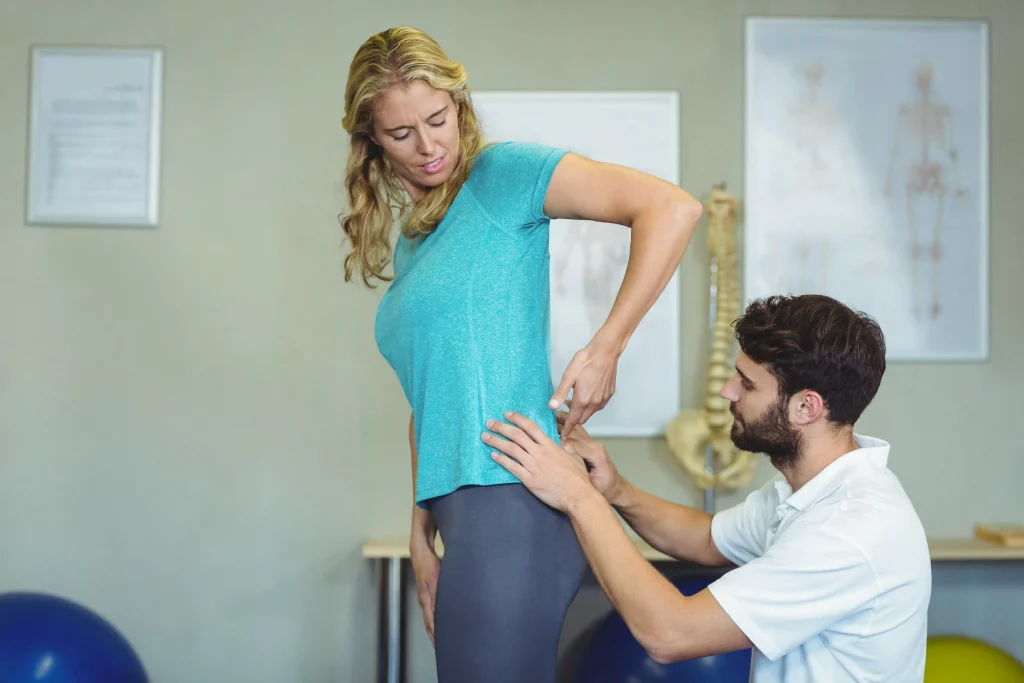
Hip Pain Care at APEX Chiropractic & Wellness
Persistent hip pain can make work, exercise, sleep, and daily movement difficult.
The first step is understanding where the symptoms are coming from.
At APEX Chiropractic & Wellness, care begins with an evaluation of your symptoms, movement, and musculoskeletal health. If chiropractic care is appropriate, your treatment plan may include chiropractic adjustments, therapeutic exercises, and other conservative approaches based on your condition.
If you are dealing with ongoing hip, lower back, or joint pain, contact APEX Chiropractic & Wellness to schedule an evaluation and discuss your treatment options.
Frequently Asked Questions About Hip Pain in Women
1. Why is hip pain more common in women?
Women may have a higher risk of certain hip conditions because of differences in anatomy, hormonal changes, pregnancy, and a greater risk of osteoporosis after menopause. Conditions such as greater trochanteric pain syndrome are also more commonly reported in women.
2. What is the most common cause of hip pain in women?
There is no single cause that applies to every woman. Common causes include osteoarthritis, muscle and tendon problems, outer hip conditions, lower back problems, pregnancy-related changes, and injuries.
3. Can menopause cause hip pain?
Menopause itself may not directly cause every case of hip pain. However, hormonal changes after menopause can affect bone health and may contribute to a greater risk of osteoporosis and fractures. Joint and muscle symptoms may also change during this stage of life.
4. Can lower back problems cause hip pain?
Yes. Some lower back conditions can cause pain that spreads into the buttocks, hips, or legs. Sciatica is one example. A proper examination can help identify the source of your symptoms.
5. Why does my hip hurt when I sleep on my side?
Pain when lying on your side can occur with conditions affecting the outer hip, including greater trochanteric pain syndrome. Other causes are also possible. Persistent pain should be evaluated.
6. Can a chiropractor help with hip pain?
Chiropractic care may be appropriate for some types of musculoskeletal hip, pelvic, or lower back pain. A chiropractor can assess your symptoms and determine whether chiropractic treatment may be suitable or whether another type of care is needed.
7. What kind of exercise is good for hip pain?
The best exercise depends on the cause of your pain. Some people benefit from strengthening and mobility exercises. However, exercises that are appropriate for one condition may not be suitable for another. A healthcare professional can provide recommendations based on your diagnosis.
8. When should I worry about hip pain?
Seek prompt medical attention if you have severe pain after an injury, cannot bear weight, have a visible deformity, fever, severe swelling, significant weakness, or new loss of bladder or bowel control.
9. Can pregnancy cause hip pain?
Yes. Pregnancy can change posture, body weight distribution, and how the muscles and joints of the pelvis work. Some women experience hip or pelvic discomfort during pregnancy.
10. Can hip pain go away on its own?
Some mild hip pain related to temporary muscle strain or overuse may improve with appropriate rest and activity changes. Persistent, worsening, or recurring pain should be evaluated because the underlying cause may require specific treatment.
Conclusion
Hip pain can come from the hip joint, surrounding muscles and tendons, the pelvis, or even the lower back. Women may experience certain hip conditions more often because of hormonal changes, pregnancy, bone health, and other physical factors.
The location, duration, and type of pain can provide important clues. Pain in the groin may involve the hip joint, while outer hip pain may involve surrounding tendons or bursae. Pain that travels into the buttocks or leg may also involve the lower back or nerves.
If hip pain affects your ability to walk, sleep, exercise, or complete daily activities, do not ignore it. A proper evaluation can help identify the cause and guide your treatment.
APEX Chiropractic & Wellness can evaluate musculoskeletal symptoms and help determine whether chiropractic care, therapeutic exercise, or another approach may be appropriate. If you have ongoing hip pain, schedule an evaluation to discuss your symptoms and the next steps for your care.