Cupping therapy has become increasingly popular among athletes, wellness enthusiasts, and people seeking relief from muscle tension and pain. You may have seen the circular marks left on athletes’ backs during major sporting events and wondered what caused them.
Cupping therapy is a treatment that uses suction cups placed on the skin to help improve circulation, reduce muscle tightness, and support recovery. While the practice has been used for centuries, many people are now discovering it as part of modern wellness and rehabilitation programs.
If you are considering this treatment, understanding how it works and what to expect can help you decide whether it may be right for you.
What Is Cupping Therapy?
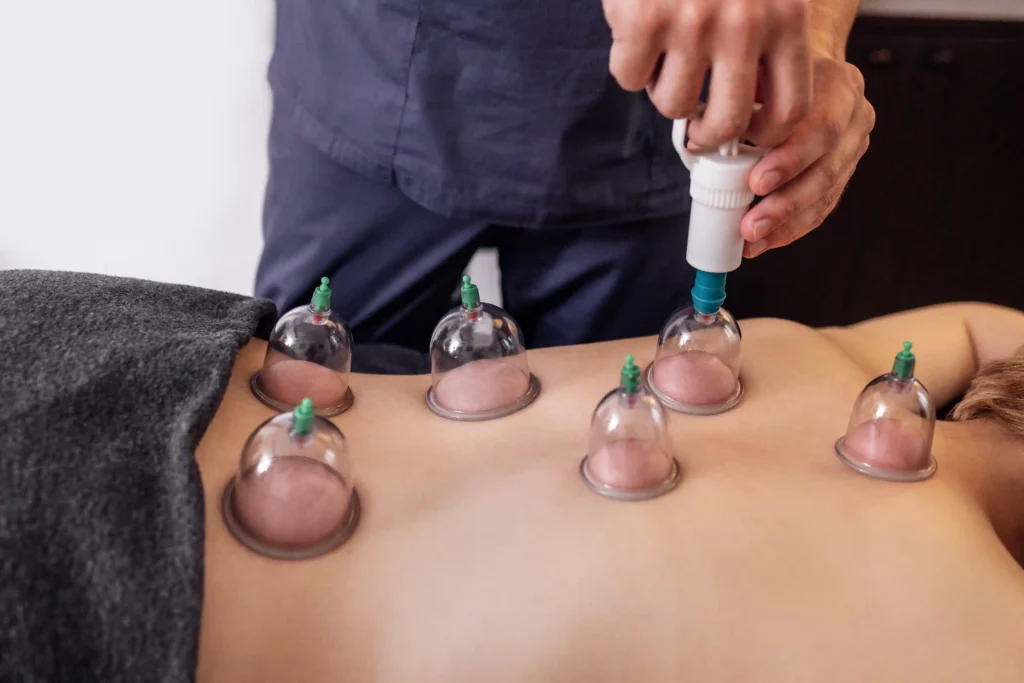
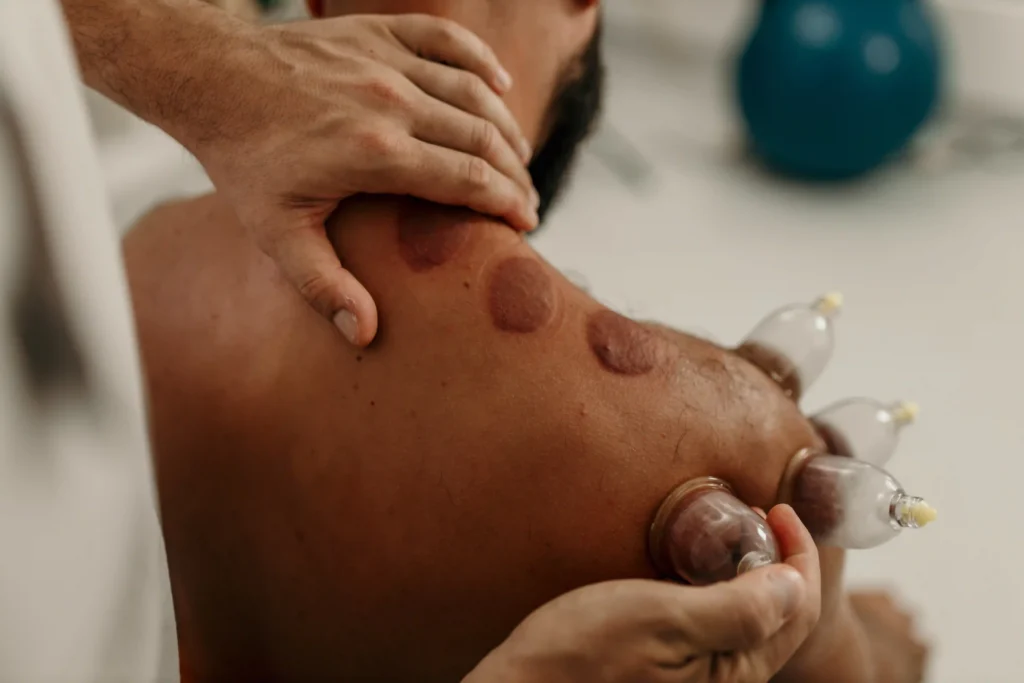
Cupping therapy is a treatment that creates suction on the skin using specially designed cups.
The suction gently lifts the skin and underlying tissues. This process may help increase blood flow to the treated area and reduce muscle tension.
Practitioners place cups on specific parts of the body depending on your symptoms and treatment goals.
Cupping therapy is often used alongside chiropractic care, massage therapy, therapeutic exercises, and other conservative treatments.
The History of Cupping Therapy
This technique is not a new treatment.
Historical records show that forms of cupping were used in:
• Ancient Egypt
• Traditional Chinese medicine
• Middle Eastern medicine
• Greek medicine
Over time, practitioners adapted the technique using different materials and methods.
Today, modern cupping therapy uses medical-grade cups designed for safety and consistency.
How Does Cupping Therapy Work?
The treatment works by creating negative pressure against the skin.
Unlike massage, which applies pressure downward into the tissues, cupping gently lifts the tissues upward.
What Happens During Suction?
The suction may:
• Increase local blood flow
• Stretch connective tissues
• Reduce muscle tightness
• Improve tissue mobility
Many patients describe the sensation as a pulling or lifting feeling rather than pain.
Types of Cupping Therapy
Several forms of cupping are used today.
Dry Cupping
Dry cupping is the most common method.
How It Works
A cup is placed on the skin and suction is created.
The cup remains in place for several minutes.
This approach is commonly used for muscle tension and recovery.
Moving Cupping
Moving cupping combines suction with movement.
How It Works
Step 1
The provider applies oil to the skin.
Step 2
A cup creates suction.
Step 3
The cup is moved across the treatment area.
This method often feels similar to a deep tissue massage.
Flash Cupping
Flash cupping involves repeatedly applying and removing cups.
Purpose
This technique may be used to stimulate circulation over a larger area.
Wet Cupping
Wet cupping is a specialized technique performed in certain settings.
This method is less common in chiropractic and wellness clinics.
Many chiropractic offices focus on dry and moving cupping techniques.
What Conditions Is Cupping Therapy Commonly Used For?
People seek this treatment for various reasons.
Muscle Tightness
Muscle tension is one of the most common reasons patients try cupping.
Areas frequently treated include:
• Neck
• Shoulders
• Upper back
• Lower back
Sports Recovery
Athletes often use cupping therapy as part of recovery programs.
The goal is to help maintain flexibility and reduce muscle soreness.
Neck Pain
Many patients with neck discomfort seek cupping therapy alongside chiropractic care and therapeutic exercises.
Back Pain
Back pain remains one of the most common reasons people seek conservative treatment.
Cupping may be included as part of a broader treatment plan.
Shoulder Tension
Shoulder muscles often become tight due to repetitive movements, desk work, and poor posture.
Headache Related Muscle Tension
Some patients receive cupping therapy when muscle tension contributes to headache symptoms.
Potential Benefits of Cupping Therapy
Results vary from person to person.
Many patients report several benefits following treatment.
Improved Circulation
The suction effect increases blood flow to the treated area.
Healthy circulation supports tissue health and recovery.
Reduced Muscle Tightness
Many patients notice decreased muscle tension after treatment.
Improved Mobility
Reducing tissue restrictions may help improve movement.
Relaxation
Many people find the treatment calming and comfortable.
Recovery Support
Athletes often include cupping therapy in recovery programs following training or competition.
What Happens During a Cupping Therapy Session?
Understanding the process can help you feel more comfortable before your first visit.
Initial Assessment
Your provider will review:
• Symptoms
• Health history
• Treatment goals
• Areas of discomfort
This helps determine whether cupping therapy is appropriate for your condition.
Treatment Preparation
The treatment area is exposed and cleaned if necessary.
The provider selects cup sizes based on the treatment area.
Cup Placement
Cups are placed on specific areas of the body.
The number of cups depends on the treatment plan.
Treatment Duration
Most sessions last between 5 and 20 minutes.
The exact length varies based on your condition and treatment goals.
After Treatment
The cups are removed and the treated area is examined.
Patients often return to normal activities shortly afterward.
Are the Circular Marks Normal?
Yes.
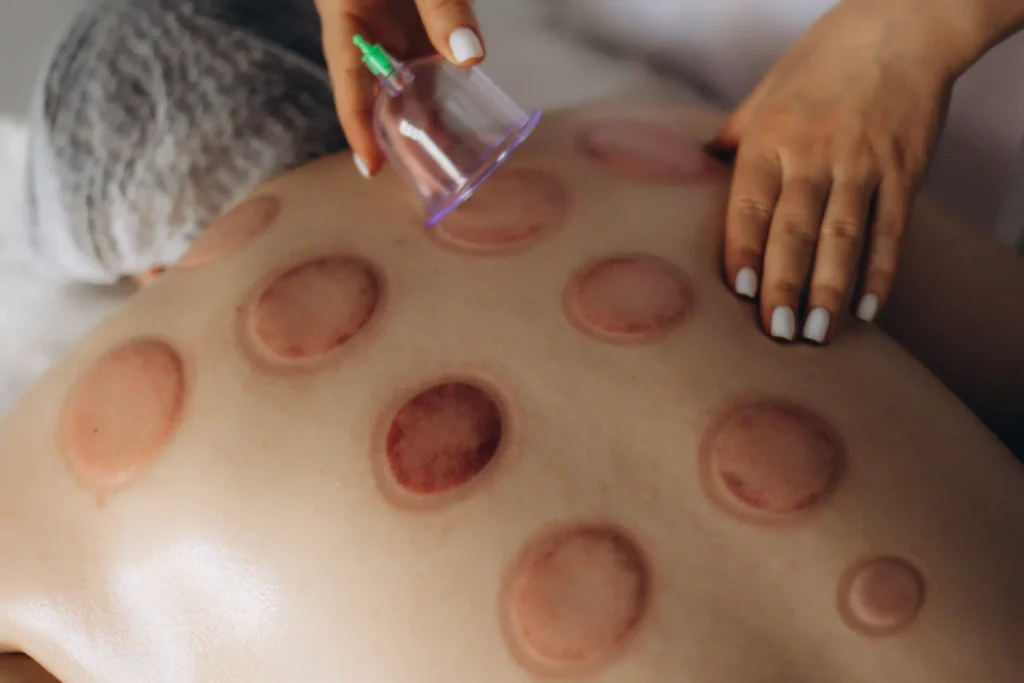
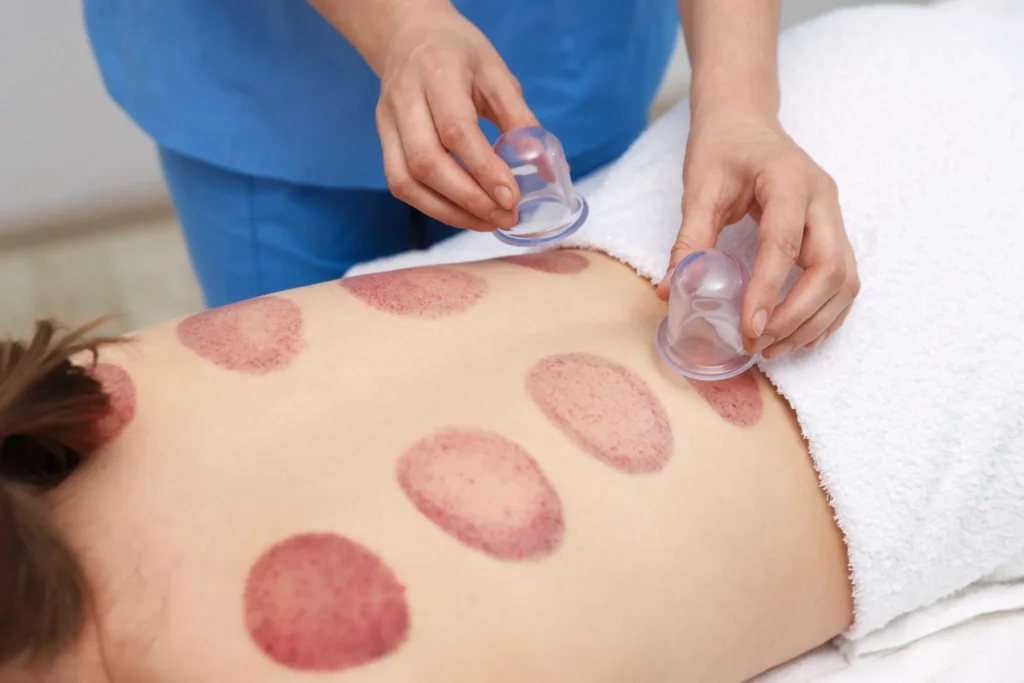
The circular marks are one of the most recognized effects of cupping therapy.
Why Do They Appear?
The suction brings blood closer to the skin’s surface.
This creates temporary discoloration.
How Long Do They Last?
Most marks fade within several days to two weeks.
The appearance varies from person to person.
The marks are generally not painful.
Does the Treatment Hurt?
Most patients tolerate cupping therapy well.
Common Sensations
You may feel:
• Pulling
• Tightness
• Pressure
• Mild stretching
The sensation is different from traditional massage.
Most patients describe it as unusual but comfortable.
Is Cupping Therapy Safe?
When performed by a trained professional, cupping therapy is generally considered safe for many people.
Possible Side Effects
Temporary side effects may include:
• Circular skin marks
• Mild soreness
• Temporary tenderness
• Skin sensitivity
These effects typically resolve on their own.
Who Should Avoid Cupping Therapy?
Certain individuals should consult their healthcare provider before treatment.
This may include people with:
• Bleeding disorders
• Certain skin conditions
• Active infections
• Severe circulation disorders
A professional assessment helps determine suitability.
Cupping Therapy and Chiropractic Care
Many chiropractic clinics include this therapy as part of a comprehensive treatment plan.
Why They Are Often Combined
Chiropractic adjustments focus on joint function.
Cupping therapy focuses on soft tissue tension.
Together, these treatments may help improve overall movement and comfort.
Additional services may include:
• Soft tissue therapy
• Therapeutic exercises
• Spinal decompression
• Postural correction
How Many Sessions Will You Need?
There is no universal answer.
The number of sessions depends on:
• Your symptoms
• Treatment goals
• Activity level
• Overall health
Some people seek occasional sessions for recovery.
Others include cupping therapy as part of an ongoing care plan.
Tips Before Your First Cupping Session
Preparing properly can improve your experience.
Drink Water
Hydration supports recovery.
Wear Comfortable Clothing
Loose clothing makes treatment easier.
Eat a Light Meal
Avoid arriving on an empty stomach.
Communicate With Your Provider
Discuss any concerns, medications, or health conditions before treatment.
Frequently Asked Questions
What is cupping therapy used for?
Cupping therapy is commonly used to address muscle tension, mobility restrictions, sports recovery needs, and soft tissue discomfort.
Is cupping therapy painful?
Most patients describe the sensation as pressure or pulling rather than pain.
How long do cupping marks last?
The marks typically fade within a few days to two weeks.
Can cupping therapy help with back pain?
Many patients receive cupping therapy as part of a treatment plan for back pain and muscle tension.
How long does a cupping session take?
Most sessions last between 5 and 20 minutes depending on the treatment plan.
Can cupping therapy be combined with chiropractic care?
Yes. Many chiropractic clinics use cupping therapy alongside chiropractic adjustments, soft tissue therapy, and therapeutic exercises.
Conclusion
Cupping therapy is a treatment that uses suction to lift soft tissues, increase circulation, and reduce muscle tension. Although the technique has been practiced for centuries, it remains a popular option for people seeking conservative care for muscle tightness, recovery support, and mobility concerns.
Many patients choose this treatment as part of a broader treatment plan that may include chiropractic care, massage therapy, therapeutic exercises, and other rehabilitation services. Understanding how the treatment works and what to expect can help you make an informed decision about whether it may fit your health and wellness goals.
If you are considering cupping therapy, a professional evaluation can help determine whether it is appropriate for your condition and recovery needs.