Hearing that you have a bulging disc can feel overwhelming. Many people immediately worry about surgery and long recovery periods.
The good news is that most bulging discs improve without surgery. In many cases, conservative care helps reduce pain, improve mobility, and support healing over time.
The key is understanding what a bulging disc is, what causes symptoms, and which treatments actually help. Many people look for bulging disc heal without surgery options before considering invasive procedures.
What Is a Bulging Disc?
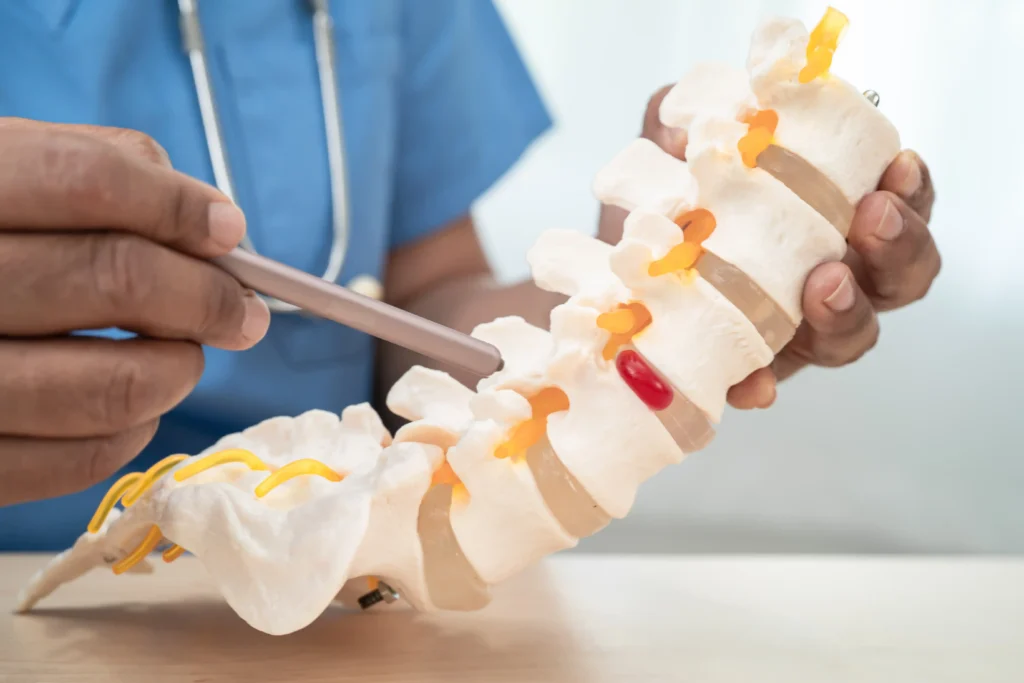
Spinal discs sit between the bones of your spine. They absorb shock and help your back move smoothly.
Each disc contains:
• A soft inner center
• A tougher outer layer
A bulging disc occurs when the outer layer weakens and pushes outward beyond its normal position.
Unlike a herniated disc, the outer layer does not tear. Many patients wonder whether bulging disc heal without surgery recovery is possible after diagnosis.
Can Bulging Disc Heal Without Surgery Naturally?
In many cases, yes.
The disc itself may not completely return to its original shape, but symptoms often improve as inflammation decreases and pressure on nearby nerves is reduced.
Your body can adapt and recover with proper care and movement.
Many people experience significant improvement within several weeks to a few months.
Why Surgery Is Often Not Needed
Most bulging discs respond well to non surgical treatment.
Research shows that conservative care is effective for many spine conditions, especially when symptoms are mild to moderate.
Surgery is usually considered only when:
• Severe nerve damage is present
• Symptoms continue for months
• Muscle weakness worsens
• Daily function becomes severely limited
For most patients, conservative treatment is the first recommendation. In many cases, bulging disc heal without surgery treatment focuses on reducing pressure and improving spinal movement naturally.
Symptoms of a Bulging Disc
Symptoms vary depending on the location of the disc and whether nerves are affected.
Common Symptoms
• Back or neck pain
• Stiffness
• Pain when sitting or bending
• Tingling or numbness
• Pain traveling into arms or legs
Some people have bulging discs without symptoms. In mild cases, bulging disc heal without surgery treatment may help prevent symptoms from worsening.
What Causes a Bulging Disc?
Several factors increase pressure on spinal discs over time.
Common Causes
• Poor posture
• Repetitive lifting
• Aging discs
• Sudden injury
• Weak core muscles
• Long periods of sitting
These factors weaken the disc and increase strain on the spine.
How Conservative Treatment Helps
Non surgical care focuses on reducing pressure, improving movement, and helping the body recover naturally.

Chiropractic Care for Bulging Discs
Chiropractic care focuses on spinal movement and alignment.
Potential Benefits
• Reduced pressure on spinal discs
• Improved mobility
• Better posture
• Reduced nerve irritation
Treatment plans vary based on your condition and symptoms.
Spinal Decompression Therapy
Spinal decompression gently stretches the spine.
How It Helps
• Reduces pressure inside the disc
• Improves circulation
• Supports nutrient flow to spinal tissues
This approach may help reduce discomfort and improve mobility. Spinal decompression is commonly included in bulging disc heal without surgery treatment plans.
Therapeutic Exercises
Exercise plays a major role in recovery.
Goals of Exercise
• Strengthen core muscles
• Improve flexibility
• Reduce stress on the spine
• Improve posture
Movement also helps reduce stiffness caused by inactivity. Exercise is often an important part of bulging disc heal without surgery recovery plans.
Soft Tissue Therapy
Muscles around the injured area often tighten.
Benefits
• Reduced muscle tension
• Improved blood flow
• Better movement patterns
Relaxed muscles place less strain on the spine.
Lifestyle Changes That Support Healing
Daily habits affect recovery more than many people realize.
Helpful Changes
• Improve sitting posture
• Avoid heavy lifting
• Take movement breaks
• Sleep with spinal support
• Maintain healthy body weight
These habits reduce pressure on spinal discs.
The success of bulging disc heal without surgery care often depends on consistency with treatment and lifestyle changes.
How Long Does Recovery Take?
Recovery time depends on several factors.
Mild Cases
Some people improve within 2 to 6 weeks.
Moderate Cases
Recovery may take 2 to 3 months.
More Severe Cases
Longer recovery periods are possible if nerve irritation is significant.
Consistency with treatment and exercise improves outcomes.
Signs Your Bulging Disc Is Improving
Several changes may indicate progress.
Positive Signs
• Reduced pain levels
• Improved mobility
• Less numbness or tingling
• Better sleep
• Easier daily movement
Improvement often happens gradually rather than all at once. Positive progress may indicate that bulging disc heal without surgery care is working effectively.
Signs You Should Seek Immediate Care
Some symptoms should never be ignored.
Warning Signs
• Severe muscle weakness
• Loss of bladder control
• Loss of bowel control
• Increasing numbness
• Difficulty walking
These symptoms may indicate serious nerve compression.
What Happens If You Ignore a Bulging Disc?
Ignoring symptoms may allow the condition to worsen.
Possible Risks
• Chronic pain
• Reduced mobility
• Increased nerve pressure
• Progression to herniated disc
Early care helps reduce these risks.

Exercises That May Help Recovery
Gentle movement supports spinal health.
Helpful Exercises
• Walking
• Pelvic tilts
• Core strengthening
• Hamstring stretches
• McKenzie extensions
Avoid exercises that increase pain.
Activities You Should Avoid
Certain movements increase disc pressure.
Avoid
• Heavy lifting
• High impact sports
• Repetitive twisting
• Prolonged sitting
• Poor lifting posture
Protecting your spine during recovery is important. Avoiding excessive spinal strain supports bulging disc heal without surgery recovery.
When Surgery May Be Necessary
Although many cases improve without surgery, some conditions require further intervention.
Surgery May Be Considered If
• Severe nerve damage develops
• Symptoms persist despite treatment
• Weakness worsens
• Pain severely limits function
A proper evaluation helps determine the right treatment path. Many patients researching bulging disc heal without surgery options have concerns about recovery time, pain management, and daily activities.
Frequently Asked Questions
Can a bulging disc go away on its own?
Symptoms often improve naturally as inflammation decreases and pressure on nerves is reduced.
How long does a bulging disc take to heal without surgery?
Many people improve within weeks to months depending on severity and treatment consistency.
Is walking good for a bulging disc?
Yes. Walking supports circulation and spinal movement without excessive strain.
Can chiropractic care help a bulging disc?
Chiropractic care may help improve mobility and reduce pressure on the spine.
What makes a bulging disc worse?
Poor posture, prolonged sitting, heavy lifting, and inactivity can worsen symptoms.
Do all bulging discs require surgery?
No. Most cases improve with conservative treatment and lifestyle changes.
Conclusion
A bulging disc can cause pain, stiffness, and nerve irritation, but surgery is not always necessary. Many people recover through conservative care that focuses on reducing spinal pressure and improving movement.
Chiropractic care, therapeutic exercises, posture changes, and spinal decompression may help support recovery and reduce symptoms over time.
Paying attention to your symptoms and starting care early can help prevent long term problems. If your pain continues or worsens, a professional evaluation can help determine the best treatment plan for your condition.
Understanding bulging disc heal without surgery methods can help patients recover while avoiding unnecessary procedures.