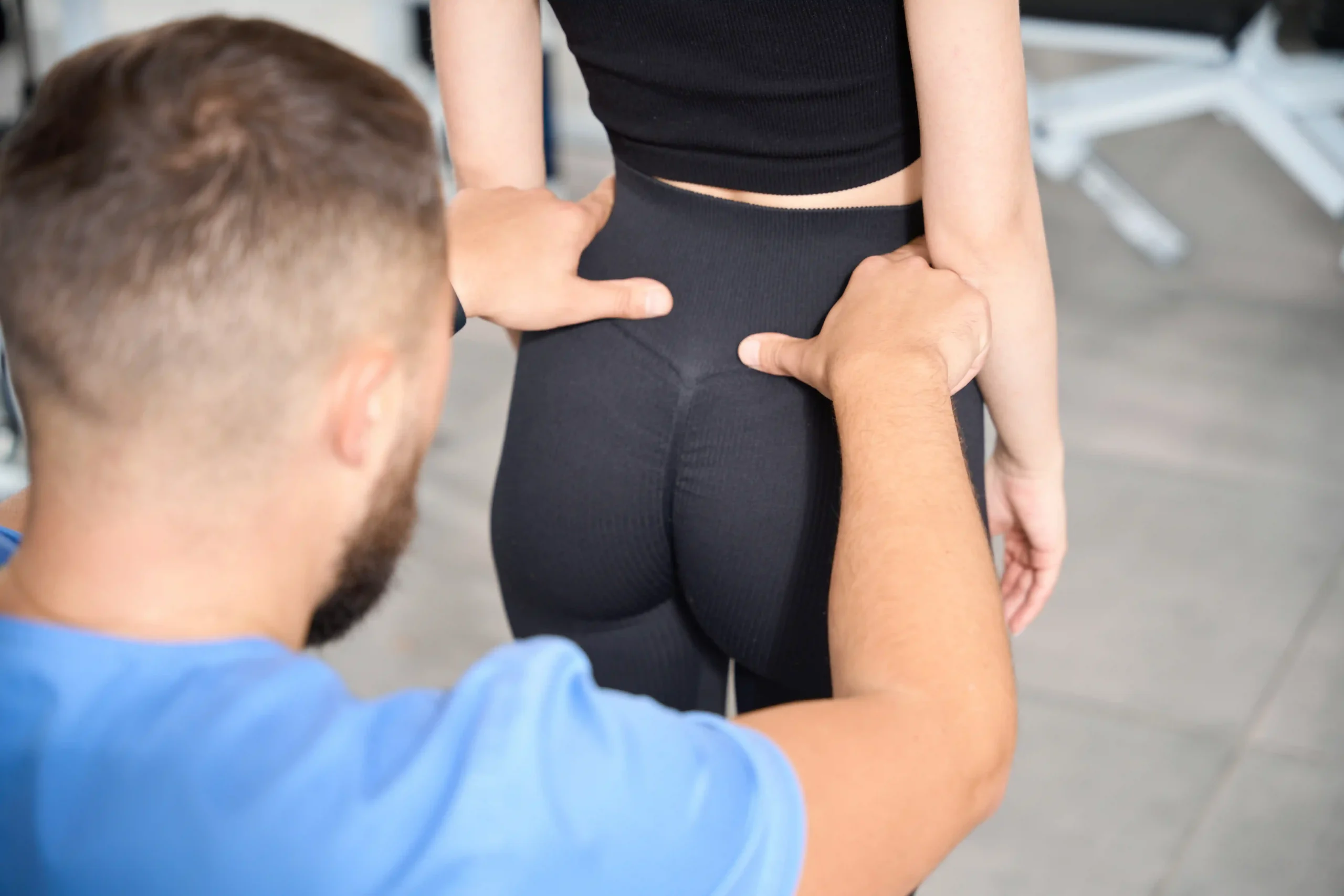
A bulging disc can make simple movements painful. Sitting, bending, or standing for long periods may increase discomfort and stiffness.
Many people stop moving because they fear making the condition worse. In reality, the right exercises can help reduce pressure on the spine, improve mobility, and support recovery.
The key is choosing safe movements that strengthen the spine without adding strain.
This guide explains bulging disc exercises that actually help and how to perform them safely. Bulging disc exercises can improve flexibility, reduce stiffness, and support spinal stability when performed correctly
What Is a Bulging Disc?
A bulging disc occurs when a spinal disc extends outward beyond its normal position.
Discs sit between the bones of your spine and act as cushions. Over time, the outer layer of a disc can weaken due to age, poor posture, repetitive strain, or injury.
Unlike a herniated disc, the outer layer remains intact in a bulging disc.
Why Exercise Helps a Bulging Disc
Targeted exercises help support the spine and reduce pressure on the affected disc.
Benefits of Exercise
• Improves spinal stability
• Reduces muscle tension
• Increases flexibility
• Improves circulation
• Supports posture
Movement also helps prevent stiffness that develops from inactivity. Bulging disc exercises are designed to improve spinal support while reducing unnecessary strain on the affected area.
When to Exercise and When to Stop
Exercise should not increase sharp pain.
Safe Signs During Exercise
• Mild stretching sensation
• Improved mobility afterward
• Reduced stiffness
Stop Exercising If You Feel
• Sharp pain
• Increased numbness
• Leg weakness
• Pain spreading further
If symptoms worsen, seek professional evaluation. Safe bulging disc exercises should improve mobility without increasing sharp pain or nerve symptoms.
Best Bulging Disc Exercises for Recovery
These exercises focus on mobility, core stability, and posture support.
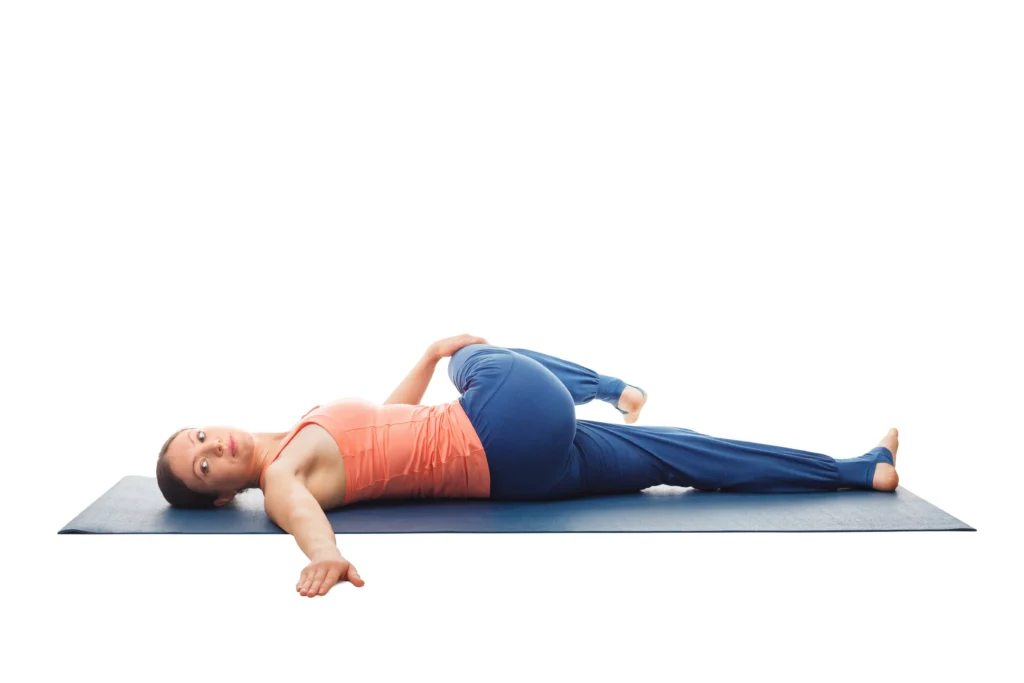
Pelvic Tilt Exercise
This exercise strengthens the lower abdominal muscles and supports the spine.
How to Do It
Step 1
Lie on your back with knees bent and feet flat on the floor.
Step 2
Tighten your abdominal muscles.
Step 3
Flatten your lower back gently against the floor.
Step 4
Hold for 5 seconds, then relax.
Repetitions
Perform 10 to 15 repetitions.

Knee to Chest Stretch
This stretch helps reduce lower back tension.
How to Do It
Step 1
Lie on your back with knees bent.
Step 2
Bring one knee toward your chest.
Step 3
Hold for 20 to 30 seconds.
Step 4
Switch sides.
Repetitions
Repeat 3 times on each side.
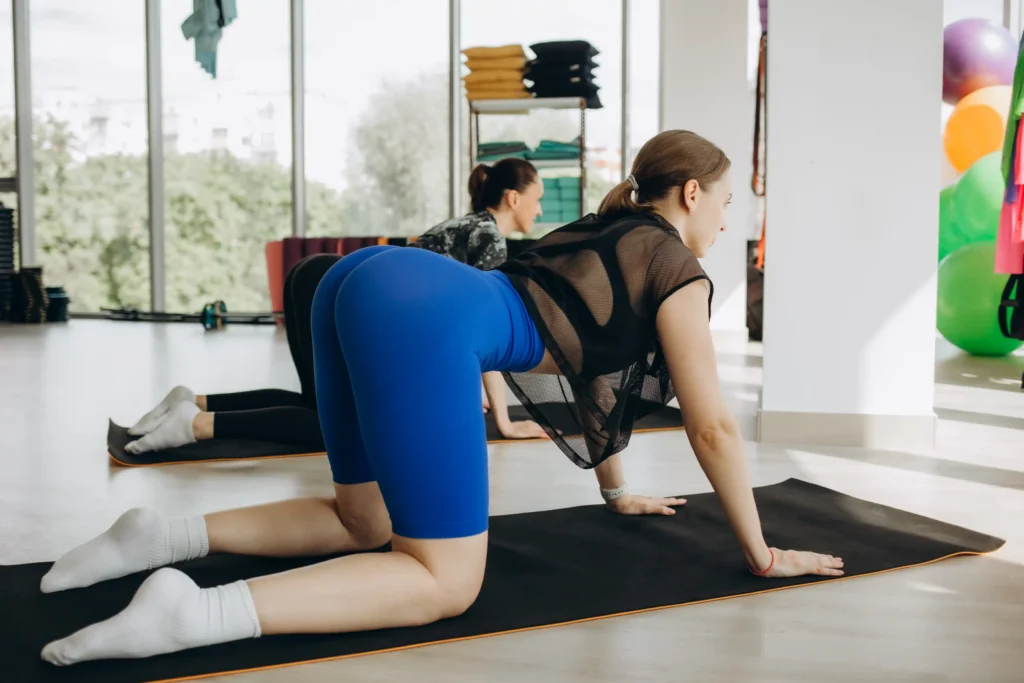
Cat Cow Stretch
This exercise improves spinal flexibility.
How to Do It
Step 1
Start on your hands and knees.
Step 2
Arch your back upward slowly.
Step 3
Lower your stomach toward the floor while lifting your head slightly.
Step 4
Move slowly between positions.
Repetitions
Repeat for 10 to 15 repetitions.
Bird Dog Exercise
This movement strengthens the core and lower back muscles.
How to Do It
Step 1
Start on your hands and knees.
Step 2
Extend one arm forward and the opposite leg backward.
Step 3
Keep your spine neutral.
Step 4
Hold for 5 seconds and switch sides.
Repetitions
Perform 10 repetitions per side.
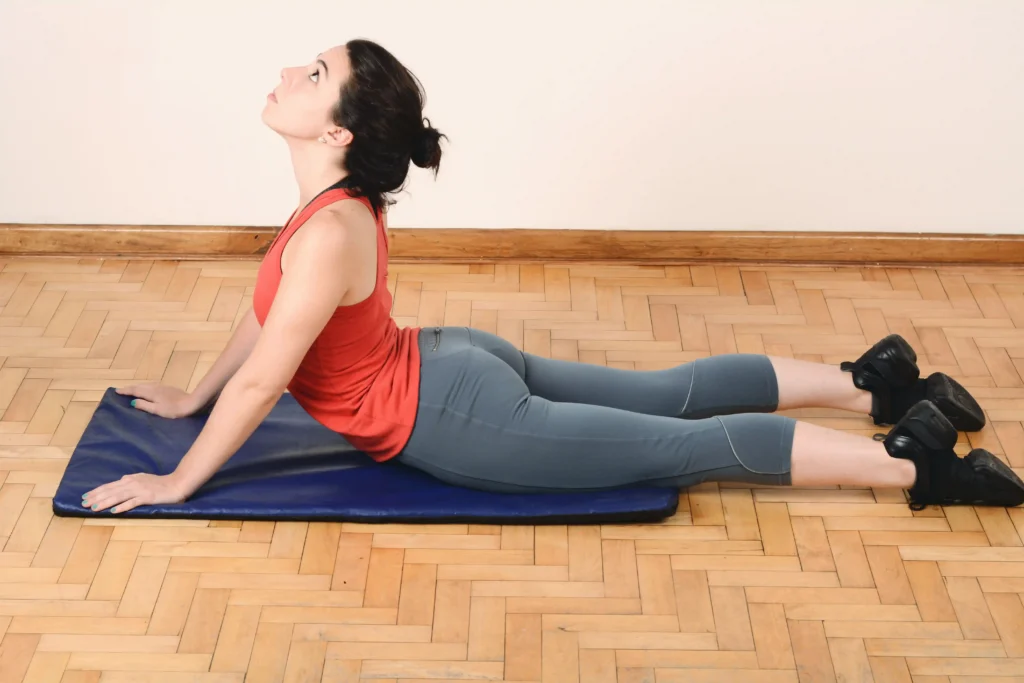
McKenzie Extension Exercise
This exercise may help reduce pressure on lumbar discs.
How to Do It
Step 1
Lie face down.
Step 2
Place your hands under your shoulders.
Step 3
Press your upper body upward while keeping hips on the floor.
Step 4
Hold for 5 to 10 seconds.
Repetitions
Repeat 10 times.
Do not continue if pain increases down the leg.
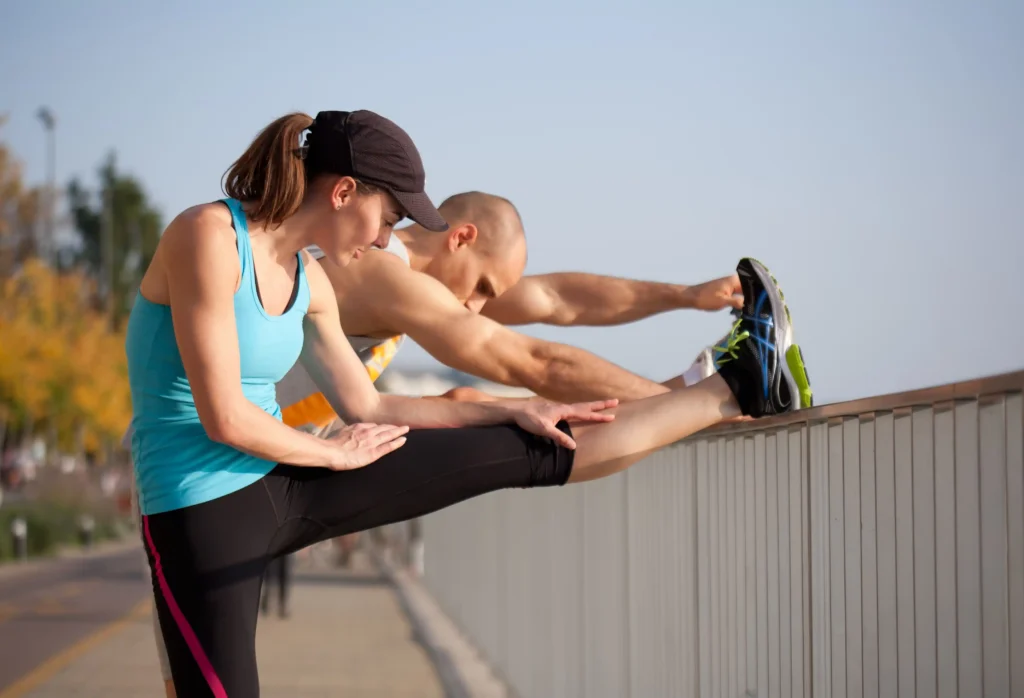
Hamstring Stretch
Tight hamstrings increase stress on the lower back.
How to Do It
Step 1
Lie on your back.
Step 2
Raise one leg upward while keeping it straight.
Step 3
Hold behind the thigh or calf.
Step 4
Hold for 20 to 30 seconds.
Repetitions
Repeat 3 times per leg.

Bridge Exercise
This exercise strengthens the glutes and core muscles. Bridge movements are commonly included in bulging disc exercises because they support spinal stability.
How to Do It
Step 1
Lie on your back with knees bent.
Step 2
Lift your hips slowly off the floor.
Step 3
Keep your shoulders on the ground.
Step 4
Hold for 5 seconds before lowering.
Repetitions
Perform 10 to 15 repetitions.

Wall Sits
Wall sits help strengthen lower body muscles without stressing the spine excessively.
How to Do It
Step 1
Stand against a wall.
Step 2
Slide downward into a partial sitting position.
Step 3
Keep knees aligned with ankles.
Step 4
Hold for 10 to 20 seconds.
Repetitions
Repeat 5 times.
Walking for Disc Recovery
Walking is one of the safest activities for spinal health. Many healthcare professionals recommend bulging disc exercises like walking and stretching to support recovery.
Benefits of Walking
• Improves circulation
• Reduces stiffness
• Maintains mobility
• Supports posture
Start with short walks of 10 to 15 minutes.
Exercises You Should Avoid
Certain movements can increase disc pressure.
Avoid These Exercises
• Heavy deadlifts
• Sit ups
• Toe touches
• High impact jumping
• Twisting exercises with weight
These movements may worsen symptoms. Avoid replacing safe bulging disc exercises with heavy workouts that increase spinal pressure.
Importance of Core Strength
Core muscles support the spine during movement.
Weak core muscles place extra stress on spinal discs.
Core Strength Helps
• Stabilize the spine
• Reduce disc pressure
• Improve posture
• Lower injury risk
Consistency matters more than intensity. Bulging disc exercises that strengthen the core can help reduce pressure on spinal discs during daily movement.
How Often Should You Exercise?
Most people benefit from regular low impact exercise.
General Guidelines
• Stretch daily
• Perform strengthening exercises 3 to 4 times weekly
• Walk regularly
Progress slowly and avoid pushing through pain. Consistent bulging disc exercises often provide better long term results than occasional intense workouts.
When to Seek Professional Help
Exercises may not be enough if symptoms persist.
Signs You Need Evaluation
• Pain lasting more than a few weeks
• Numbness or tingling
• Muscle weakness
• Difficulty walking
• Pain spreading into arms or legs
Professional care helps identify the cause and guide recovery.
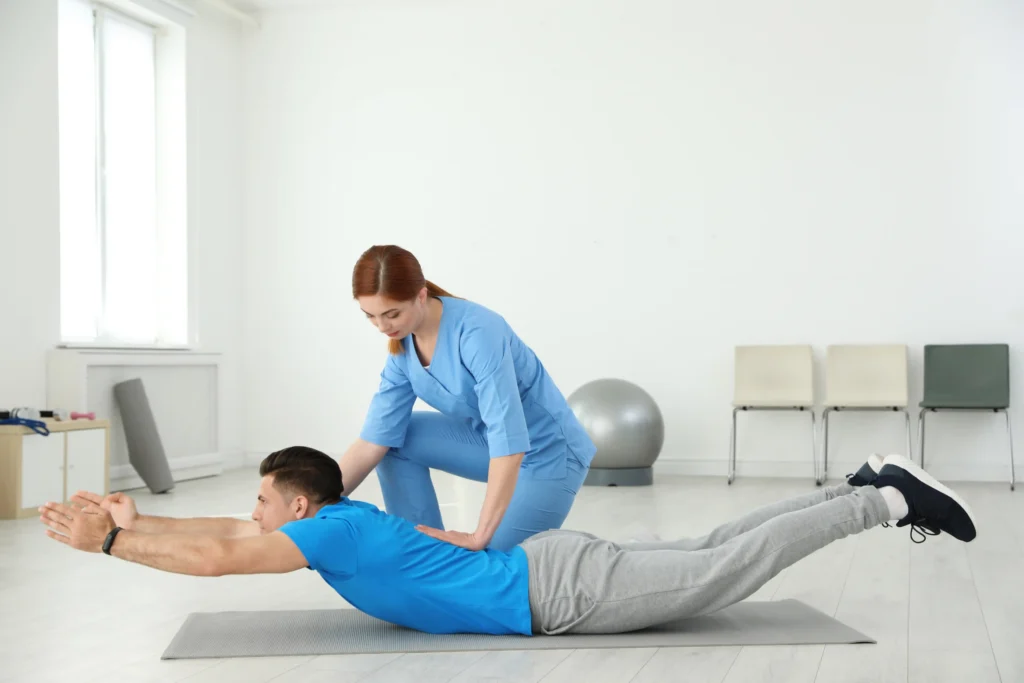
How Chiropractic Care Supports Exercise Recovery
Chiropractic care may improve how your spine moves and responds to exercise.
Treatment may include:
• Spinal adjustments
• Soft tissue therapy
• Posture correction
• Guided rehabilitation exercises
Combining exercise with professional care often improves outcomes.
Frequently Asked Questions
Can exercise heal a bulging disc?
Exercise cannot reverse the disc itself, but it can reduce pressure on the spine and improve symptoms.
Should I rest with a bulging disc?
Short periods of rest may help during severe pain, but prolonged inactivity often increases stiffness.
Is walking good for a bulging disc?
Yes. Walking supports circulation and spinal mobility without excessive strain.
What exercises should I avoid?
Avoid heavy lifting, twisting movements, and high impact exercises that increase spinal pressure.
How long does it take to improve with exercise?
Recovery timelines vary, but regular bulging disc exercises may help improve flexibility and reduce pain gradually.
Can chiropractic care help with a bulging disc?
Yes. Chiropractic care may help reduce pressure on the disc and improve spinal movement.
Conclusion
A bulging disc can affect your movement, posture, and daily comfort. The right exercises can help reduce pressure on the spine, strengthen support muscles, and improve flexibility. Consistently performing bulging disc exercises may help improve mobility and reduce discomfort over time.
Consistency is important. Gentle stretching, core strengthening, and low impact movement often provide better results than aggressive workouts.
Ignoring symptoms or avoiding movement completely may lead to stiffness and longer recovery times. Paying attention to how your body responds helps you exercise safely. Choosing safe bulging disc exercises and performing them consistently can support long term spinal health and recovery.
If pain persists or symptoms worsen, professional evaluation can help determine the best treatment plan for your recovery.