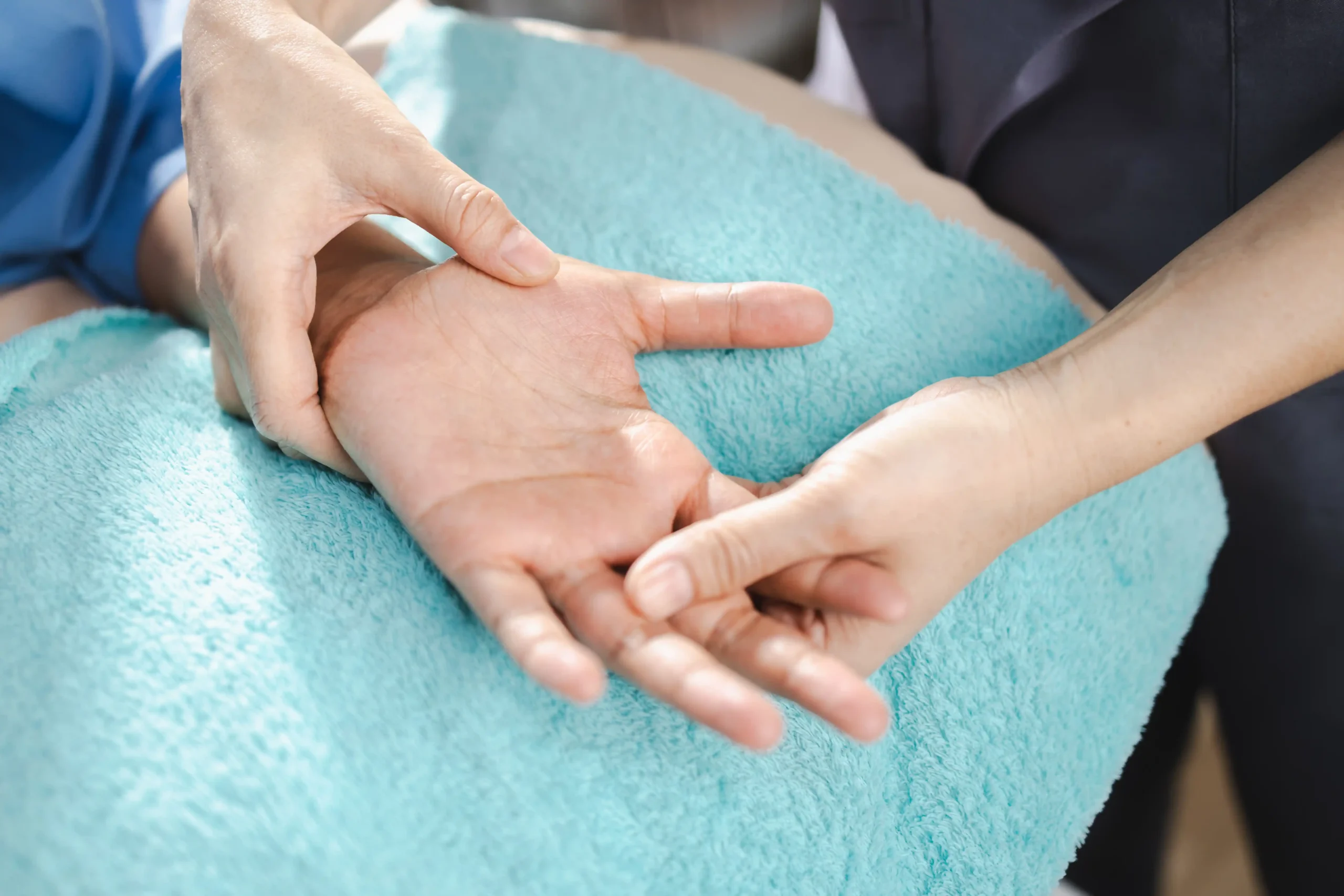
One of the most common questions people ask after receiving a diagnosis is whether bulging discs heal on their own. A bulging disc diagnosis often raises immediate concerns. Many people worry about surgery, long recovery periods, and chronic pain. One of the most common questions patients ask is whether a bulging disc can heal on its own.
The answer is often yes, but it depends on several factors. Many bulging discs improve over time with conservative care, healthy movement, and lifestyle changes. However, healing does not always mean the disc returns completely to its original shape. Instead, symptoms may improve as inflammation decreases and pressure on nearby nerves is reduced.
Understanding how bulging discs develop and what supports recovery can help you make informed decisions about your treatment options.
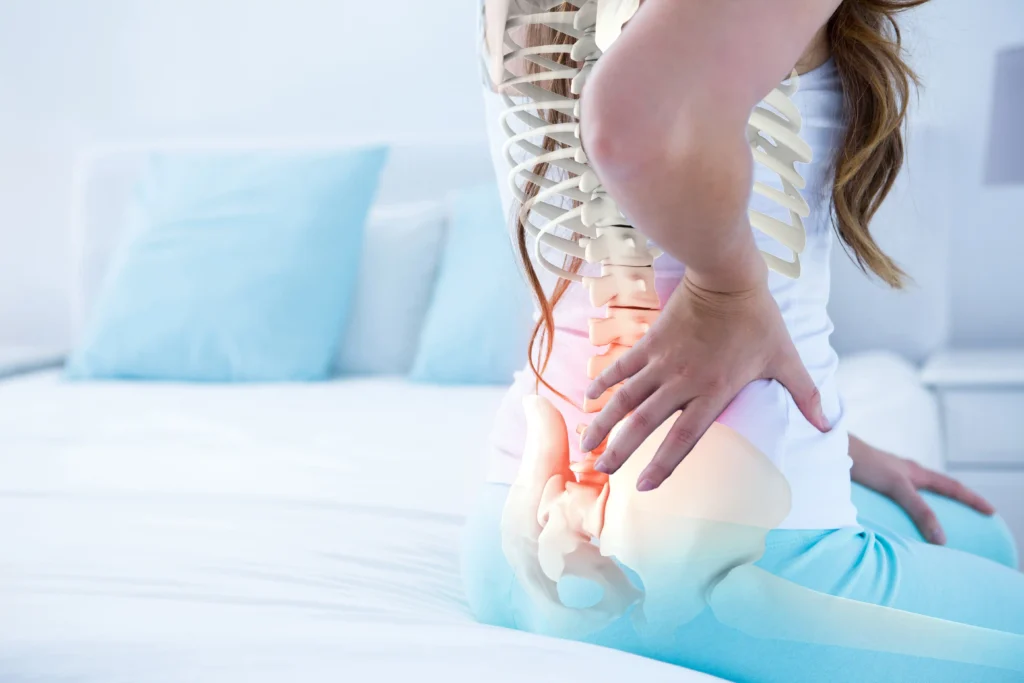
What Is a Bulging Disc?
A spinal disc acts as a cushion between the vertebrae in your spine. These discs absorb shock and allow the spine to move smoothly.
Each disc contains:
• A soft inner center called the nucleus
• A tougher outer layer called the annulus
A bulging disc occurs when the outer layer weakens and extends beyond its normal boundary.
Unlike a herniated disc, the outer layer remains intact. The disc bulges outward but does not rupture. Many patients are relieved to learn that bulging discs heal on their own and often improve with non-surgical treatment options.
Where Do Bulging Discs Commonly Occur?
Bulging discs can develop anywhere along the spine.
Cervical Spine
The cervical spine refers to the neck.
A bulging disc in this area may cause:
Neck Pain
Neck Pain may worsen when turning your head.
Shoulder Pain
Discomfort can spread into the shoulders.
Arm Symptoms
Numbness, tingling, or weakness may occur in the arms or hands.
Lumbar Spine
The lumbar spine refers to the lower back.
A bulging disc here may cause:
Lower Back Pain
This is often the most common symptom.
Sciatica
Pain may travel down one leg.
Numbness and Tingling
Changes in sensation may affect the foot or leg.
Can Bulging Discs Heal on Their Own?
In many cases, yes.
Many patients are relieved to learn that bulging discs heal on their own without surgery, although recovery timelines vary from person to person.
The body has natural healing mechanisms that help reduce inflammation and adapt to spinal changes.
Many people experience symptom improvement without surgery.
However, the healing process varies from person to person.
Several factors influence recovery, including:
• Severity of the bulge
• Location of the disc
• Age
• Activity level
• Overall health
• Presence of nerve compression
These factors play a major role in determining how quickly bulging discs heal on their own and how much symptom improvement a person experiences. Some people recover within weeks, while others require months of treatment and rehabilitation.
What Does Healing Actually Mean?
Many patients assume healing means the disc completely returns to normal.
When bulging discs heal on their own, the goal is often symptom relief and improved function rather than completely reversing the disc bulge itself.
That is not always the case.
Symptom Improvement
Healing often means:
• Less pain
• Improved mobility
• Reduced inflammation
• Better daily function
Structural Changes
The disc may remain slightly bulged even after symptoms improve. This is one reason many experts explain that bulging discs heal on their own by becoming less symptomatic rather than completely disappearing.
Many imaging studies show disc abnormalities in people who have no pain at all.
This highlights an important point. Imaging results do not always match symptoms.
How Long Does It Take for a Bulging Disc to Heal?
The amount of time it takes for bulging discs heal on their own varies based on the severity of the condition and individual health factors.
Mild Cases
Many patients notice improvement within 2 to 6 weeks.
Moderate Cases
Recovery often takes 2 to 3 months. During this period, bulging discs heal on their own as inflammation gradually decreases and spinal tissues adapt.
Chronic Cases
Longstanding disc problems may require several months of care and rehabilitation.
Consistency with treatment recommendations often affects outcomes.

Why Some Bulging Discs Heal Faster Than Others
Recovery depends on more than the disc itself. Several factors influence how quickly bulging discs heal on their own, including age, activity level, and overall health.
Age
Younger individuals often recover more quickly.
Physical Activity
Appropriate movement supports circulation and healing. Regular movement may help maintain mobility and support recovery as bulging discs heal on their own over time.
Overall Health
Conditions such as obesity and smoking can slow recovery.
Treatment Compliance
Following professional recommendations often improves results.
Severity of Nerve Compression
More significant nerve involvement may require a longer recovery period.
What Helps a Bulging Disc Heal?
While every case is different, bulging discs heal on their own more effectively when patients stay active, maintain good posture, and follow appropriate treatment recommendations.
Stay Active
One of the biggest mistakes people make is staying in bed for extended periods.
Movement helps:
• Improve circulation
• Reduce stiffness
• Support spinal function
Walking is often one of the safest activities for people with disc related pain. Walking is commonly recommended because it supports recovery while bulging discs heal on their own.
Walking Guidelines
Start Slowly
Begin with short walks.
Increase Gradually
Add time as symptoms improve.
Listen to Your Body
Stop if symptoms worsen significantly.
Improve Your Posture
Poor posture increases stress on spinal discs.
Sitting Tips
Keep Your Feet Flat
Both feet should rest comfortably on the floor.
Support Your Lower Back
Use lumbar support when necessary.
Avoid Slouching
Maintain a neutral spine position.
Standing Tips
Distribute Weight Evenly
Avoid leaning heavily on one side.
Keep Your Head Aligned
Your ears should remain over your shoulders.
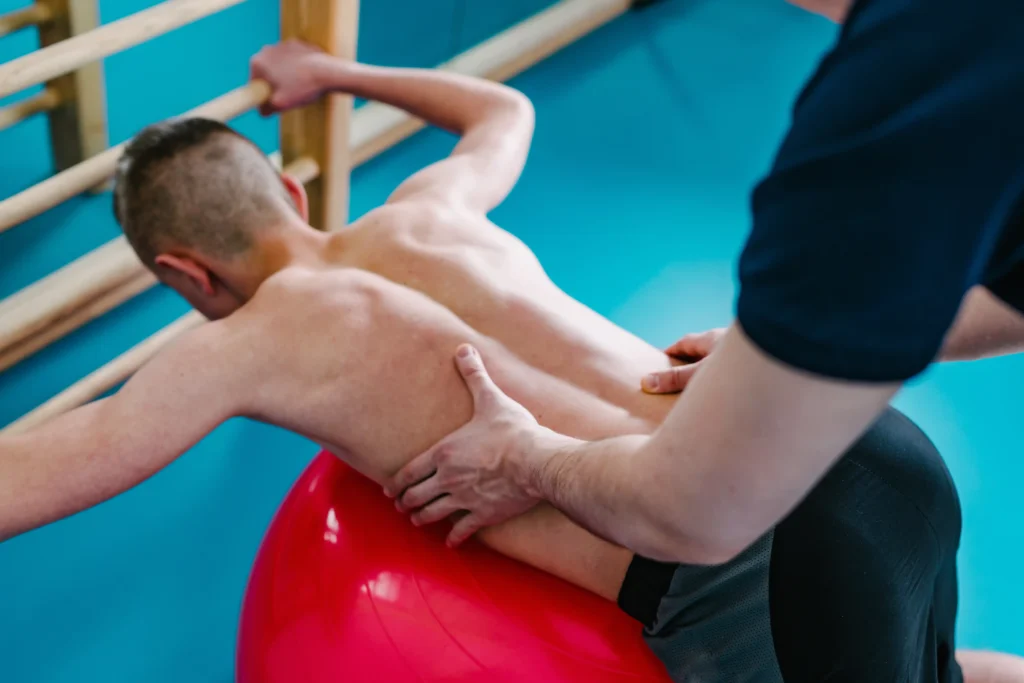
Perform Therapeutic Exercises
Specific exercises can strengthen muscles that support the spine.
Benefits of Exercise
Improved Stability
Strong muscles help protect the spine.
Better Flexibility
Flexibility reduces strain during movement.
Reduced Pain
Many patients experience symptom relief with consistent exercise.
Common exercises include:
• Pelvic tilts
• Bird dog exercises
• Gentle stretching
• Core strengthening movements
Exercises should match your condition and tolerance level.
How Chiropractic Care May Help
Many people seek chiropractic care for bulging disc symptoms.
The goal is to improve spinal function and reduce stress on affected structures.
Chiropractic Adjustments
Chiropractic adjustments focus on improving joint movement.
Potential benefits include:
• Better mobility
• Reduced stiffness
• Improved function
Treatment plans are tailored to each patient’s condition.
Spinal Decompression Therapy
Spinal decompression is commonly used for disc related conditions.
How It Works
Gentle stretching creates space between vertebrae.
This may help:
Reduce Pressure
Less pressure may decrease irritation around the disc.
Improve Circulation
Healthy circulation supports tissue recovery.
Improve Comfort
Many patients report symptom relief during treatment programs.
Soft Tissue Therapy
Muscle tension often develops around injured areas.
Soft tissue therapy may help:
• Reduce tightness
• Improve flexibility
• Improve movement patterns
This approach often complements other treatments.
What Can Slow Down Recovery?
Even though bulging discs heal on their own in many cases, certain habits can slow the recovery process.Certain habits may delay healing.
Prolonged Sitting
Long periods of sitting increase pressure on spinal discs.
Poor Lifting Technique
Improper lifting can worsen symptoms.
Smoking
Smoking reduces blood flow and affects tissue repair.
Lack of Exercise
Inactivity often increases stiffness and weakness.
Ignoring Symptoms
Delaying treatment may allow symptoms to become more severe.
Can a Bulging Disc Become Worse?
Yes.
Although bulging discs heal on their own in many cases, some may worsen without proper care and management.
Potential complications include:
• Increased pain
• Greater nerve compression
• Chronic symptoms
• Reduced mobility
Early intervention often helps reduce these risks.
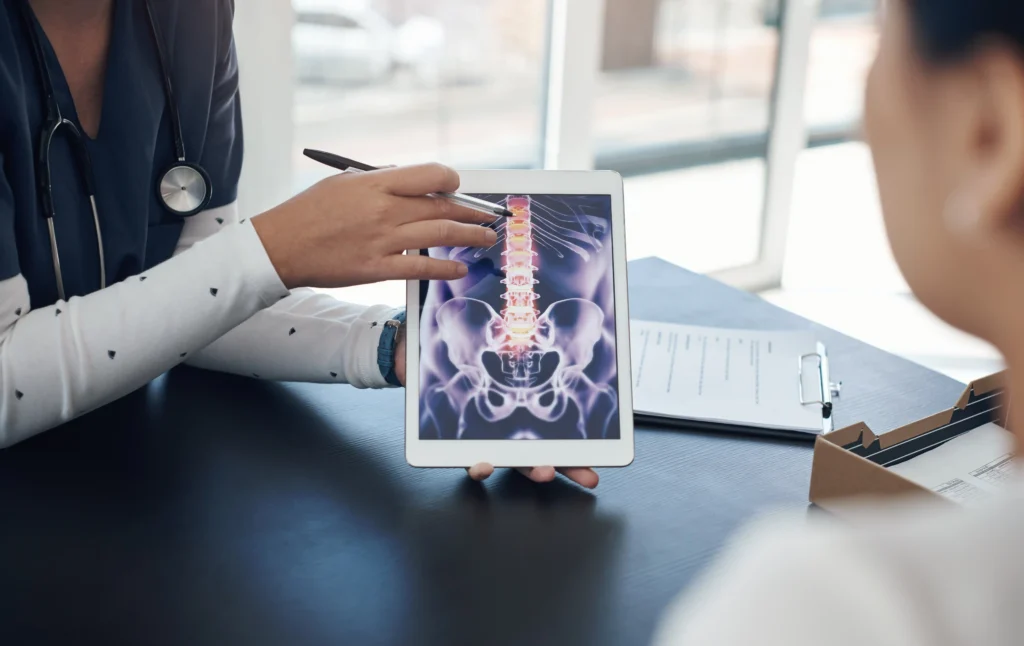
When Should You Seek Professional Care?
Many cases improve with conservative care, but certain symptoms require evaluation.
Seek Medical Attention If You Experience
Severe Weakness
Weakness may indicate nerve involvement.
Loss of Bladder Control
This requires immediate medical attention.
Loss of Bowel Control
Emergency evaluation is necessary.
Worsening Numbness
Increasing sensory changes should be assessed promptly.
Persistent Pain
Pain lasting several weeks deserves professional evaluation.
Frequently Asked Questions
Can a bulging disc go away completely?
Symptoms often improve significantly. The disc itself may not return entirely to its original shape.
How long does a bulging disc take to heal naturally?
Many people improve within several weeks to a few months, depending on severity and treatment consistency.
Is walking good for a bulging disc?
Yes. Walking promotes circulation and helps maintain mobility without excessive strain on the spine.
Can chiropractic care help a bulging disc?
Many patients use chiropractic care to improve spinal movement and manage symptoms associated with bulging discs.
What activities should I avoid?
Avoid heavy lifting, repetitive twisting, prolonged sitting, and activities that increase pain.
Do all bulging discs require surgery?
No. Most bulging discs respond well to conservative treatment and do not require surgery.
Conclusion
Many bulging discs can heal without surgery. While the disc may not always return completely to its original shape, symptoms often improve as inflammation decreases and pressure on nearby nerves is reduced.
Recovery depends on several factors, including the severity of the condition, your overall health, and how consistently you follow treatment recommendations. Staying active, improving posture, performing therapeutic exercises, and seeking appropriate care can all support the healing process.
The good news is that bulging discs heal on their own for many people when they follow appropriate treatment recommendations and maintain healthy lifestyle habits.
If your symptoms persist, worsen, or interfere with daily activities, a professional evaluation can help identify the cause and determine the most appropriate treatment plan. Early care often leads to better outcomes and may help prevent long term complications.