
Can neck pain cause dizziness? Yes, it can. Neck pain and dizziness are common symptoms that many people experience at some point in their lives. While these problems may seem unrelated, they can occur together. If you have ever stood up and felt unsteady while your neck was stiff or painful, you may have wondered whether the two symptoms are connected.
The answer is yes. In some cases, neck pain can contribute to dizziness. This condition is often called cervicogenic dizziness. It occurs when problems involving the neck affect the body’s ability to maintain balance and determine head position.
At the same time, dizziness can also result from conditions involving the inner ear, nervous system, heart, blood pressure, or certain medications. Because dizziness has many possible causes, it is important to understand when neck pain may be responsible and when you should seek medical attention.
This guide explains the relationship between neck pain and dizziness, common causes, symptoms, diagnosis, and when professional care may be needed.
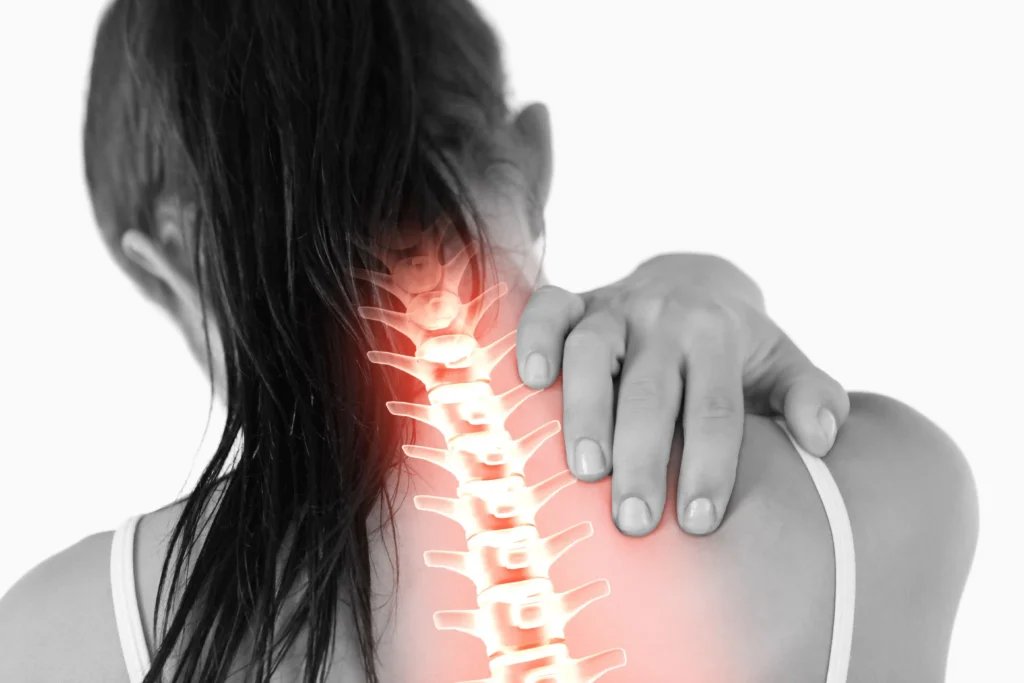
How Can Neck Pain Cause Dizziness?
Neck pain can sometimes lead to dizziness.
The muscles, joints, ligaments, and nerves in your neck constantly send information to your brain about the position of your head. Your brain combines this information with signals from your eyes and inner ear to maintain balance.
When the neck becomes injured or inflamed, these signals may become disrupted. The brain may receive conflicting information, which can create feelings of dizziness, lightheadedness, or unsteadiness.
This condition is commonly referred to as cervicogenic dizziness.
Although researchers continue to study the exact mechanism, many healthcare providers recognize cervicogenic dizziness as a condition that may develop after neck injuries or chronic neck dysfunction.
What Is Cervicogenic Dizziness?
Cervicogenic dizziness is dizziness that originates from problems in the cervical spine.
Unlike vertigo caused by inner ear disorders, cervicogenic dizziness usually occurs alongside neck pain or stiffness.
Many people describe the sensation as:
• Feeling off balance
• Feeling lightheaded
• Feeling unsteady while walking
• Difficulty focusing while moving
• A sensation that the environment is shifting slightly
True spinning sensations are less common with cervicogenic dizziness than with inner ear conditions.
How the Neck Helps Control Balance
Your balance system depends on three major sources of information.
Your Eyes
Your eyes help your brain understand where your body is positioned in relation to your surroundings.
Your Inner Ear
The vestibular system inside the inner ear detects motion and changes in head position.
Your Neck
Special receptors located in the muscles and joints of your neck constantly monitor head position.
These receptors communicate with the brain throughout the day.
When neck muscles become tight or joints lose normal movement, inaccurate signals may be sent to the brain.
This mismatch between the neck, eyes, and inner ear may contribute to dizziness.
Common Causes of Neck Pain and Dizziness
Several conditions may lead to both symptoms.
Muscle Strain
Muscle strain is one of the most common causes.
You may strain your neck after:
Sleeping in an Awkward Position
Poor sleeping posture often causes morning stiffness.
Working at a Computer
Looking at a screen for several hours may overload neck muscles.
Looking Down at a Phone
Forward head posture increases stress on the cervical spine.
Poor Posture
Poor posture develops gradually.
Common examples include:
Forward Head Posture
The head moves several inches in front of the shoulders.
This places extra stress on neck muscles.
Rounded Shoulders
Rounded shoulders change spinal alignment and increase muscle fatigue.
Slouching
Long periods of sitting with poor posture increase pressure throughout the spine.
Whiplash Injuries
Car accidents frequently cause whiplash.
The sudden movement of the head may injure muscles, ligaments, and joints.
Symptoms often include:
• Neck pain
• Headaches
• Reduced movement
• Dizziness
• Shoulder pain
Some people notice dizziness immediately, while others develop symptoms several days later.
Cervical Joint Dysfunction
Small joints in the neck allow smooth movement.
When these joints become irritated or restricted, they may contribute to neck pain and dizziness.
Herniated Cervical Disc
A herniated disc in the neck may place pressure on nearby nerves.
Symptoms may include:
• Neck pain
• Arm pain
• Numbness
• Tingling
• Weakness
Some people also report dizziness, although other causes should be carefully evaluated.
Arthritis of the Neck
Age related changes may affect the joints of the cervical spine.
These changes sometimes contribute to:
• Chronic stiffness
• Reduced mobility
• Muscle tension
• Balance problems
Stress and Muscle Tension
Stress causes many people to tighten the muscles in their neck and shoulders without realizing it.
Persistent muscle tension may contribute to discomfort and feelings of unsteadiness.
Symptoms That May Occur Together
Every person experiences symptoms differently.
Common symptoms include:
Neck Pain
Pain may feel:
• Aching
• Sharp
• Burning
• Tight
Neck Stiffness
Turning your head may become difficult.
Dizziness
You may feel:
• Off balance
• Lightheaded
• Unsteady
• Dizzy when moving your head
Headaches
Headaches commonly begin near the base of the skull.
They may spread toward the forehead.
Shoulder Pain
Muscle tension often extends into the shoulders and upper back.
Difficulty Concentrating
Some people describe feeling mentally foggy while experiencing dizziness.
Nausea
Dizziness may occasionally trigger mild nausea.
Risk Factors
Several factors increase your likelihood of developing neck related dizziness.
Sedentary Lifestyle
Sitting for long periods contributes to muscle weakness and poor posture.
Office Work
Computer use for eight or more hours each day places repeated stress on the cervical spine.
Frequent Smartphone Use
Extended phone use encourages forward head posture.
Previous Car Accident
Whiplash injuries may increase the risk of recurring symptoms.
Poor Physical Conditioning
Weak neck, shoulder, and core muscles provide less support for the cervical spine.
Chronic Stress
Long term muscle tension often affects the neck and upper shoulders.
How Is Neck Related Dizziness Diagnosed?
There is no single test that confirms cervicogenic dizziness.
Healthcare providers first rule out other possible causes.
Medical History
Your provider may ask questions such as:
When did your symptoms begin?
Does turning your head increase dizziness?
Have you experienced a recent injury?
Have you had headaches or neck pain before?
Are your symptoms constant or intermittent?
These details help narrow the possible causes.
Physical Examination
A thorough examination may include:
Neck Mobility Testing
Your provider evaluates how well your neck moves in different directions.
Posture Assessment
Poor posture often contributes to recurring symptoms.
Muscle Examination
Tight muscles, trigger points, and muscle spasms are identified.
Neurological Examination
Strength, reflexes, and sensation may be evaluated to check for nerve involvement.
Balance Assessment
Your balance and coordination may also be examined.
Imaging Studies
Depending on your symptoms, your healthcare provider may recommend:
X-rays
These help evaluate the alignment of the cervical spine.
MRI
MRI scans provide detailed images of discs, nerves, and other soft tissues.
CT Scan
A CT scan may be recommended after significant trauma or when fractures are suspected.
Imaging is not necessary for every patient. It is usually reserved for situations where more serious conditions need to be ruled out.

Other Conditions That Can Cause Dizziness
Neck pain is only one possible explanation for dizziness.
Other causes include:
Inner Ear Disorders
Conditions such as benign paroxysmal positional vertigo, vestibular neuritis, and Ménière’s disease commonly affect balance.
Low Blood Pressure
Sudden drops in blood pressure may cause lightheadedness when standing.
Migraine
Some people experience dizziness before or during migraine attacks.
Medication Side Effects
Certain medications may affect balance or cause dizziness.
Neurological Conditions
Less commonly, dizziness may result from neurological disorders that require prompt medical evaluation.
Because dizziness has many possible causes, a thorough examination is important before beginning treatment.
Treatment Options for Neck Pain and Dizziness
Treatment depends on the underlying cause of your symptoms. If dizziness is related to the cervical spine, improving neck function may help reduce both neck pain and balance problems.
Most treatment plans begin with conservative care before considering more advanced options.
Rest Without Complete Bed Rest
Giving your neck time to recover is important, especially during the first few days after an injury.
However, complete bed rest is usually not recommended.
Gentle movement helps prevent stiffness and supports normal muscle function.
Resume your daily activities gradually while avoiding movements that increase pain.
Apply Ice During the First 24 to 48 Hours
If your symptoms began after a fall, sports injury, or car accident, applying ice may help reduce inflammation.
Use an ice pack wrapped in a towel.
Apply it for 15 to 20 minutes at a time.
Repeat every few hours during the first two days.
Avoid placing ice directly on your skin.
Switch to Heat Therapy
Heat is often helpful after the initial soreness improves.
Warmth may relax tight muscles and improve blood flow.
You can use:
Heating Pads
Use a low or medium setting for 15 to 20 minutes.
Warm Towels
A warm towel placed around the neck may reduce stiffness.
Warm Showers
Warm water can help loosen tight muscles before stretching.
Do not sleep with a heating pad.
Over the Counter Pain Relief
Some people benefit from nonprescription medications that reduce pain or inflammation.
Examples include:
• Acetaminophen
• Ibuprofen
• Naproxen
Always follow the directions on the label and consult your healthcare provider if you have other medical conditions or take prescription medications.
Can Chiropractic Care Help Neck Pain and Dizziness?
Many patients with neck stiffness seek chiropractic care after conservative home treatment provides limited relief.
When dizziness is related to restricted neck movement or muscle tension, improving cervical function may help reduce symptoms.
A chiropractor will first determine whether your symptoms appear to be coming from the neck or whether another condition requires referral to a medical specialist.
Comprehensive Evaluation
Your chiropractor may assess:
Neck Mobility
Limited motion often points to irritated joints or tight muscles.
Posture
Poor posture is a common contributor to chronic neck pain.
Muscle Tension
Tight muscles in the neck and shoulders may affect normal movement.
Neurological Function
Strength, sensation, and reflexes may be evaluated to identify possible nerve involvement.
Balance
Simple balance tests may provide additional information about your symptoms.

Chiropractic Adjustments
When appropriate, chiropractic adjustments may improve movement in restricted spinal joints.
Improving joint mobility may help reduce neck stiffness that contributes to cervicogenic dizziness.
Spinal manipulation is not appropriate for every patient. Your chiropractor will determine whether it is suitable based on your medical history and examination findings.
Soft Tissue Therapy
Soft tissue therapy focuses on muscles, tendons, and connective tissue.
Treatment may help:
• Reduce muscle tightness
• Improve flexibility
• Increase circulation
• Reduce muscle tenderness
Therapeutic Exercises
Exercise is an important part of recovery.
Strengthening the muscles that support your neck and upper back may improve posture and reduce future episodes.
Physical Therapy for Neck Related Dizziness
Physical therapy is another common treatment option.
A therapist may develop a program based on your symptoms and physical examination.
Treatment often includes:
Stretching Exercises
Gentle stretching helps reduce muscle tightness.
Strengthening Exercises
Building strength in the neck, shoulders, and core improves spinal support.
Balance Training
Balance exercises help your body process movement more effectively.
Posture Correction
Learning proper posture reduces repeated strain on the cervical spine.
Home Exercises That May Help
Always perform exercises slowly and stop if they increase your symptoms.
Chin Tucks
Pull your chin straight backward without looking down.
Hold for five seconds.
Repeat ten times.
This exercise helps improve forward head posture.
Neck Rotation
Turn your head slowly toward one shoulder.
Hold for five seconds.
Return to the center.
Repeat on the opposite side.
Perform five to ten repetitions.
Side Neck Stretch
Tilt your head toward one shoulder without raising your shoulder.
Hold for 15 to 20 seconds.
Repeat on both sides.
Shoulder Blade Squeezes
Pull your shoulder blades together.
Hold for five seconds.
Repeat ten times.
This exercise strengthens the upper back.
Shoulder Rolls
Roll both shoulders backward in slow circles.
Repeat ten times.
This helps reduce muscle tension.
Improve Your Daily Posture
Posture plays a major role in neck health.
Small changes throughout the day can reduce stress on your cervical spine.
Adjust Your Monitor
Keep the top of your computer screen at eye level.
Sit With Proper Support
Choose a chair that supports your lower back.
Keep Both Feet Flat
Avoid crossing your legs for long periods.
Position Your Phone Higher
Raise your phone closer to eye level instead of bending your neck downward.
Take Regular Breaks
Stand up and move every 30 to 60 minutes.
Short movement breaks reduce muscle fatigue.
Lifestyle Habits That Support Recovery
Simple daily habits often help reduce recurring neck pain.
Consider these tips:
• Stay physically active.
• Exercise regularly.
• Stretch after long periods of sitting.
• Maintain a healthy body weight.
• Stay hydrated.
• Sleep seven to nine hours each night.
• Use a supportive pillow.
• Avoid carrying heavy bags on one shoulder.
Consistency often produces better results than occasional effort.
When Should You Seek Immediate Medical Care?
Most cases of neck related dizziness are not emergencies.
However, certain symptoms require immediate evaluation.
Seek emergency medical care if dizziness occurs with:
Chest Pain
This may indicate a heart related condition.
Difficulty Speaking
Speech problems require urgent medical attention.
Sudden Vision Changes
Blurred or double vision may indicate a neurological emergency.
Severe Headache
A sudden, intense headache should never be ignored.
Weakness or Numbness
Symptoms affecting the face, arm, or leg require prompt evaluation.
Loss of Consciousness
Fainting always deserves medical assessment.
Difficulty Walking
Severe balance problems or repeated falls require immediate attention.
How Long Does Recovery Take?
Recovery varies depending on the underlying cause.
Minor muscle strains often improve within several days.
Whiplash injuries may require several weeks or months.
Chronic posture related problems usually improve gradually with consistent treatment and exercise.
Following your treatment plan and maintaining healthy daily habits often improves long term outcomes.

Preventing Neck Pain and Dizziness
Although not every case can be prevented, healthy habits reduce your risk.
Helpful prevention strategies include:
Maintain Good Posture
Keep your head aligned with your shoulders.
Exercise Regularly
Strengthen your neck, shoulders, upper back, and core.
Stretch Daily
Regular stretching maintains flexibility.
Improve Workplace Ergonomics
Adjust your workstation to reduce neck strain.
Avoid Looking Down for Long Periods
Take frequent breaks from phones and tablets.
Manage Stress
Deep breathing, walking, stretching, and relaxation exercises may reduce muscle tension.
Sleep With Proper Support
Choose a pillow that keeps your neck in a neutral position.
Frequently Asked Questions
1. Can neck pain really cause dizziness?
Yes. Problems affecting the cervical spine can interfere with the signals your neck sends to your brain, which may contribute to dizziness or balance problems.
2. What does cervicogenic dizziness feel like?
Many people describe feeling lightheaded, off balance, or unsteady instead of experiencing a spinning sensation.
3. Can poor posture cause dizziness?
Yes. Poor posture places extra stress on the neck and may contribute to muscle tension and cervicogenic dizziness over time.
4. Can a pinched nerve in the neck cause dizziness?
A pinched nerve usually causes pain, numbness, or tingling. Some people also report dizziness, although other causes should be evaluated.
5. Can chiropractic care help neck pain and dizziness?
For appropriate patients, chiropractic care may improve neck movement, reduce muscle tension, and support recovery after a thorough evaluation.
6. How long does cervicogenic dizziness last?
Recovery depends on the cause. Mild cases may improve within days, while injuries such as whiplash may require several weeks or longer.
7. Should I exercise if neck pain causes dizziness?
Gentle exercises may help many people, but they should be performed under the guidance of a healthcare professional if symptoms are severe.
8. Is dizziness after a car accident normal?
It can occur after whiplash or other neck injuries. However, dizziness after any accident should be evaluated by a healthcare provider.
9. When should I worry about dizziness?
Seek immediate medical care if dizziness occurs with chest pain, difficulty speaking, severe headache, weakness, fainting, or sudden vision changes.
10. Can neck pain and dizziness go away on their own?
Yes. Mild cases often improve with rest, posture correction, gentle movement, and conservative treatment. Persistent symptoms should be evaluated to determine the underlying cause.
Conclusion
Neck pain and dizziness can occur together when muscles, joints, or other structures in the cervical spine interfere with the body’s balance system. While cervicogenic dizziness is a recognized cause of these symptoms, dizziness may also result from conditions affecting the inner ear, nervous system, heart, or blood pressure. A proper evaluation is important to identify the source of the problem.
Many people improve with conservative treatment that includes activity modification, posture correction, therapeutic exercises, and targeted care for the cervical spine. Addressing symptoms early may reduce discomfort, improve mobility, and lower the risk of recurring episodes.
If your neck pain and dizziness continue, become more frequent, or develop after a car accident or injury, seeking professional care is the best next step. At Apex Chiropractic & Wellness, we perform comprehensive evaluations to identify the cause of your symptoms and create personalized treatment plans that support recovery, restore movement, and help you return to your daily activities with greater confidence.