
How to fix poor posture is a question many people ask after they start experiencing neck pain, back pain, headaches, or muscle stiffness. Poor posture often develops gradually through everyday habits like sitting at a desk for long hours, looking down at a phone, or spending too much time behind the wheel. Because these habits become part of our daily routine, it’s easy to overlook the strain they place on the body.
The good news is that posture can often improve with the right combination of healthy habits, targeted exercises, ergonomic adjustments, and professional care when needed. Making small changes today may help reduce pain, improve mobility, and prevent long-term musculoskeletal problems.
In this guide, you’ll learn what poor posture is, what causes it, how it affects your body, and the most effective ways to fix poor posture and maintain better spinal alignment over time.

What Is Poor Posture?
Posture refers to the position of your body when you are sitting, standing, or moving.
Good posture keeps your bones, joints, muscles, and ligaments aligned. This allows your body to move efficiently while placing less stress on the spine.
Poor posture occurs when your body falls out of proper alignment. Over time, this places extra strain on muscles and joints.
Common examples include:
• Rounded shoulders
• Forward head posture
• Slouching while sitting
• Excessive arching of the lower back
• Leaning more to one side while standing
Poor posture may develop gradually, making it difficult to notice until symptoms appear.
What Causes Poor Posture?
Many daily habits contribute to posture problems.
Prolonged Sitting
Sitting for long periods is one of the most common causes.
Office workers, students, and remote employees often spend more than eight hours each day sitting.
Remaining in one position for extended periods can weaken supporting muscles and increase pressure on the spine.
Frequent Phone Use
Looking down at a phone for hours places additional stress on the neck.
This is often called text neck.
Poor Workstation Setup
A monitor positioned too low or a chair without proper support can encourage slouching.
Improper desk ergonomics often contribute to neck and back discomfort.
Weak Core Muscles
The muscles surrounding your abdomen and lower back help support your spine.
Weak core muscles make it harder to maintain proper posture and are often one of the first areas to address when learning how to fix poor posture.
Muscle Imbalances
Tight chest muscles and weak upper back muscles often pull the shoulders forward.
This imbalance affects spinal alignment and is one of the reasons how to fix poor posture often involves both stretching and strengthening exercises.
Previous Injuries
Car accidents, sports injuries, or falls can change movement patterns and contribute to poor posture.
Lack of Physical Activity
Regular movement keeps muscles strong and flexible.
A sedentary lifestyle increases the risk of postural problems.
Common Signs of Poor Posture
Poor posture affects people differently.
Common symptoms include:
Neck Pain
Forward head posture places extra strain on neck muscles.
Upper Back Pain
Rounded shoulders often increase tension across the upper back.
Lower Back Pain
Poor sitting and standing positions increase pressure on the lumbar spine.
Shoulder Tightness
Muscles surrounding the shoulders may become stiff.
Headaches
Muscle tension in the neck can contribute to tension headaches.
Fatigue
Poor posture forces muscles to work harder throughout the day.
Many people feel tired even after routine activities.

How Poor Posture Affects Your Body
Posture influences much more than appearance.
Over time, poor alignment can affect several body systems, which is why understanding how to fix poor posture early is so important.
Increased Joint Stress
Misalignment changes how force moves through the body.
This places additional stress on joints.
Muscle Overuse
Certain muscles remain constantly active to support poor posture.
Others become weak from lack of use.
This imbalance often leads to discomfort.
Reduced Mobility
Tight muscles and stiff joints can limit movement.
Simple activities such as reaching overhead or bending forward may become more difficult.
Balance Problems
Poor posture shifts your center of gravity.
This may affect stability while walking or standing.
Breathing Efficiency
Slouching can reduce chest expansion.
This may make deep breathing more difficult.
How to Fix Poor Posture
Improving posture usually requires consistent effort. If you’re wondering how to fix poor posture, the answer often starts with small daily changes that become healthy habits over time.
Improve Your Sitting Position
Many people spend most of the day sitting. If you’re learning how to fix poor posture, improving your sitting position is one of the simplest and most effective places to start.
Proper sitting posture reduces stress on the spine.
Sitting Tips
Keep Both Feet Flat
Your feet should rest comfortably on the floor.
Support Your Lower Back
Use a chair with lumbar support or place a small cushion behind your lower back.
Relax Your Shoulders
Avoid raising your shoulders toward your ears.
Keep Your Screen at Eye Level
Looking straight ahead reduces neck strain.
Improve Standing Posture
Standing correctly helps distribute body weight evenly. Learning how to fix poor posture also means paying attention to how you stand throughout the day, not just how you sit.
Standing Tips
Keep Your Head Over Your Shoulders
Avoid pushing your head forward.
Relax Your Knees
Do not lock your knees while standing.
Engage Your Core
Lightly tighten your abdominal muscles.
Balance Your Weight
Stand evenly on both feet.
Strengthen Supporting Muscles
Exercise plays an important role in posture correction. A consistent strengthening routine is an important part of how to fix poor posture and maintain better spinal alignment over time.
Core Exercises
Strong core muscles support the spine.
Helpful exercises include:
• Bird dogs
• Modified planks
• Dead bugs
• Pelvic tilts
Upper Back Exercises
Strengthening the upper back helps counter rounded shoulders.
Exercises may include:
• Resistance band rows
• Wall angels
• Scapular squeezes
Stretch Tight Muscles
Flexibility is just as important as strength. Stretching tight muscles is an essential part of how to fix poor posture and restore normal movement.
Focus on stretching:
• Chest muscles
• Hip flexors
• Hamstrings
• Neck muscles
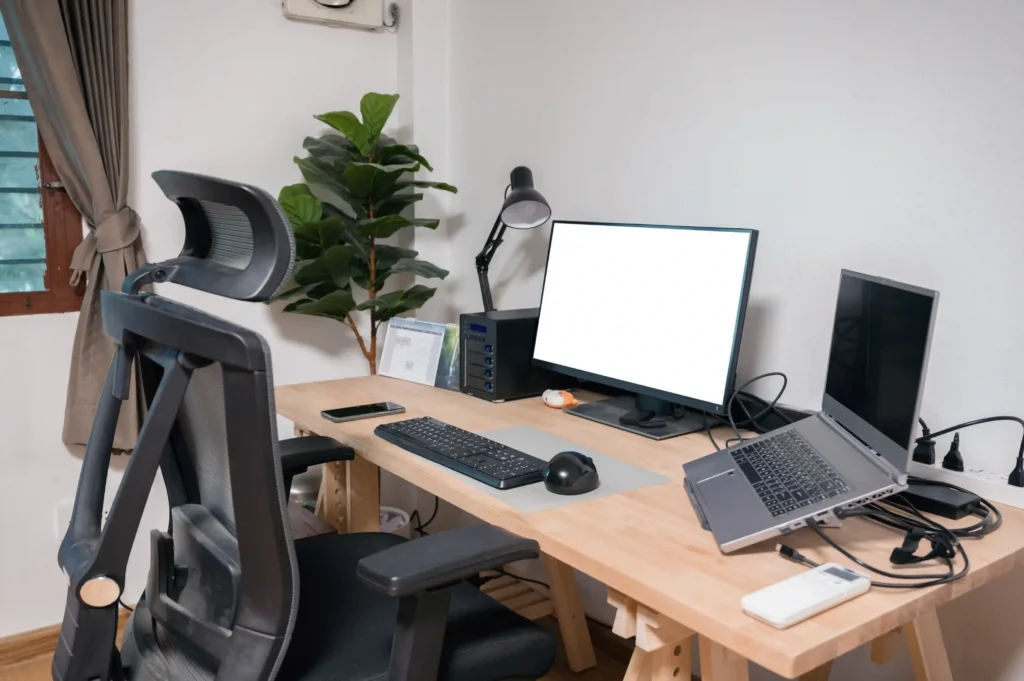
Adjust Your Workspace
Your workstation has a major impact on posture. Small ergonomic adjustments can make a noticeable difference if you’re trying to improve your posture throughout the workday.
Desk Setup Tips
Monitor Height
Position the top of your monitor at eye level.
Chair Height
Keep your knees at approximately a 90 degree angle.
Keyboard Position
Your elbows should remain close to your sides.
Mouse Placement
Avoid reaching forward repeatedly.
Small ergonomic improvements may reduce daily strain. These simple adjustments also support how to fix poor posture by encouraging better spinal alignment throughout the day.
Take Frequent Movement Breaks
Remaining in one position for hours increases stiffness. If you’re wondering how to fix poor posture at work, taking regular movement breaks is one of the easiest habits to build into your day.
Aim to stand and move every 30 to 60 minutes.
Simple activities include:
• Walking
• Gentle stretching
• Shoulder rolls
• Neck movements
These short breaks reduce muscle fatigue. They also make it easier to practice how to fix poor posture consistently throughout the day.
How Chiropractic Care May Help Poor Posture
Chiropractic care focuses on improving spinal function and movement.
Many patients seek chiropractic care when posture problems contribute to neck pain, back pain, or reduced mobility.
Comprehensive Evaluation
Your chiropractor will assess:
Posture
Standing and sitting alignment are evaluated.
Range of Motion
Movement restrictions are identified.
Muscle Balance
Tight and weak muscles are assessed.
Daily Habits
Work activities and lifestyle factors are reviewed.
Chiropractic Adjustments
Spinal adjustments may improve joint mobility.
Improved spinal movement may make it easier to maintain proper posture.
Soft Tissue Therapy
Muscle tension often develops alongside poor posture.
Soft tissue therapy may help:
• Reduce muscle tightness
• Improve flexibility
• Increase comfort
Therapeutic Exercises
Exercise programs are tailored to each patient’s needs.
These exercises help improve posture between office visits and reinforce the progress you make while learning how to fix poor posture.

Lifestyle Habits That Support Better Posture
Long term improvement depends on daily habits. Understanding how to fix poor posture is only the first step—maintaining healthy habits every day is what creates lasting results.
Helpful strategies include:
• Exercise regularly
• Maintain a healthy weight
• Stay physically active
• Sleep on a supportive mattress
• Use supportive footwear
• Avoid carrying heavy bags on one shoulder
• Stretch after prolonged sitting
Consistency matters more than perfection.
When Should You Seek Professional Help?
If you’re trying to figure out how to fix poor posture but your symptoms continue to worsen, you should consider a professional evaluation if you experience:
Persistent Pain
Pain lasting several weeks deserves attention.
Frequent Headaches
Recurring headaches may be related to muscle tension.
Limited Mobility
Difficulty moving comfortably may indicate underlying problems.
Numbness or Tingling
These symptoms may suggest nerve involvement.
Posture That Continues to Worsen
Professional assessment can identify contributing factors.
Frequently Asked Questions
Can poor posture be corrected?
Yes. Many people improve their posture through exercise, stretching, healthy habits, and professional care.
How long does it take to fix poor posture?
Improvement varies. Some people notice changes within a few weeks, while long standing posture problems may require several months.
Can poor posture cause headaches?
Yes. Muscle tension in the neck and shoulders may contribute to tension headaches.
Does chiropractic care help with posture?
Many patients seek chiropractic care to improve spinal movement, reduce discomfort, and support better posture.
What exercises help improve posture?
Core strengthening, upper back exercises, chest stretches, and flexibility training are commonly recommended.
Is poor posture permanent?
No. Many posture problems improve with consistent treatment and healthy daily habits.
Conclusion
Knowing how to fix poor posture starts with recognizing the small daily habits that affect your spinal health. Poor posture develops gradually, but its effects can become significant over time. Neck pain, back pain, muscle tension, headaches, and reduced mobility often begin with everyday habits that place repeated stress on the spine.
Improving posture usually requires a combination of exercise, stretching, ergonomic changes, and movement throughout the day. Professional care may also help identify movement restrictions and muscle imbalances that contribute to ongoing discomfort.
If poor posture is affecting your daily activities or causing persistent pain, seeking an evaluation can help you understand the underlying causes and create a treatment plan that supports long-term spinal health and better movement.