
A bulging disc chiropractor can help evaluate and manage symptoms such as pain, numbness, and reduced mobility caused by disc problems. Bulging disc can make everyday activities uncomfortable. You may feel pain when sitting, standing, bending, or lifting. In some cases, the discomfort spreads into the arms or legs. Numbness, tingling, and weakness can also occur when a bulging disc affects nearby nerves.
If you have been diagnosed with a bulging disc, you may be looking for treatment options that do not involve surgery. One question many people ask is whether chiropractic care can help.
The answer depends on the severity of your condition, your symptoms, and your overall health. For many patients, chiropractic care plays an important role in managing bulging disc symptoms and improving quality of life.
This guide explains how chiropractors treat bulging discs, potential benefits, and when you should seek professional care.

What Is a Bulging Disc?
A bulging disc occurs when a spinal disc extends beyond its normal boundary.
Spinal discs sit between the vertebrae and act as cushions that absorb shock. Each disc contains a soft inner center surrounded by a stronger outer layer.
Over time, stress and wear can weaken the disc. Instead of staying within its normal position, the disc begins to protrude outward.
Unlike a herniated disc, a bulging disc does not involve a tear in the outer layer.
Common Areas for Bulging Discs
Cervical Spine
Bulging discs in the neck may cause:
• Neck pain
• Shoulder pain
• Arm discomfort
• Tingling in the hands
Lumbar Spine
Bulging discs in the lower back may cause:
• Low back pain
• Leg pain
• Sciatica symptoms
• Foot numbness
The lower back is the most common location because it supports much of the body’s weight.
What Causes a Bulging Disc?
Several factors can contribute to disc problems.
Age Related Changes
As people age, spinal discs lose hydration and flexibility.
Repetitive Strain
Repeated bending, lifting, and twisting increase stress on spinal structures.
Poor Posture
Improper sitting and standing positions place extra pressure on discs.
Workplace Demands
Jobs that involve lifting or prolonged sitting may increase risk.
Injuries
Car accidents, falls, and sports injuries can contribute to disc damage.
How Can a Bulging Disc Chiropractor Help?
In many cases, a bulging disc chiropractor can help reduce symptoms and improve spinal function through conservative treatment methods.
Chiropractors do not heal the disc itself. However, chiropractic care may help reduce symptoms associated with a bulging disc and improve spinal function.
The goal is to decrease mechanical stress, improve mobility, and help the body recover more efficiently.
Many patients seek chiropractic care because they want a conservative treatment option before considering more invasive procedures.
How Chiropractic Care May Help
Treatment plans vary based on each patient’s condition.
A chiropractor will perform an evaluation to determine the most appropriate approach.
Comprehensive Examination
Before treatment begins, a bulging disc chiropractor performs a comprehensive evaluation.
Medical History Review
Your provider discusses symptoms, injuries, and health history.
Physical Examination
Movement patterns, posture, and range of motion are assessed.
Neurological Testing
Strength, reflexes, and sensation may be evaluated.
Imaging Review
MRI reports and other diagnostic images may be reviewed when available.
This information helps determine whether chiropractic care is appropriate for your condition.
Chiropractic Adjustments for Bulging Discs
Spinal adjustments are one of the most recognized chiropractic treatments.
What Is a Chiropractic Adjustment?
A chiropractic adjustment involves applying a controlled force to a joint that is not moving properly.
The goal is to improve joint mobility and reduce restrictions.
Potential Benefits
Improved Movement
Better joint motion can help reduce stiffness.
Reduced Pressure
Restoring movement patterns may decrease stress on affected areas.
Better Function
Patients often experience improved daily mobility.
Adjustments are customized based on the patient’s symptoms and physical condition.
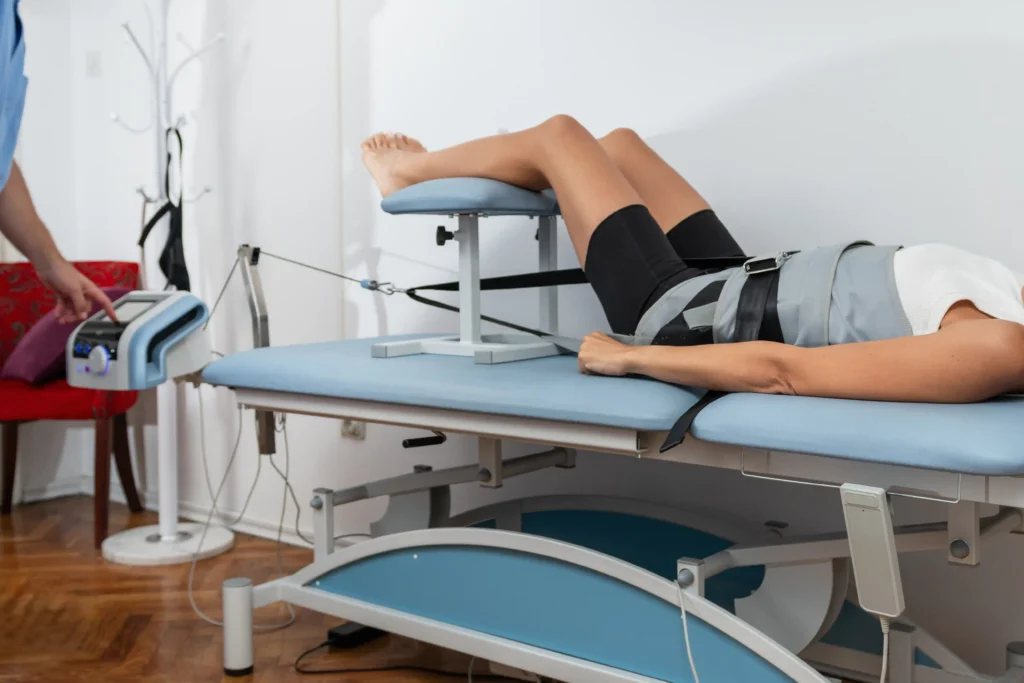
Spinal Decompression Therapy
A bulging disc chiropractor may recommend spinal decompression therapy to reduce pressure on affected discs. Many patients visit a bulging disc chiropractor to explore spinal decompression therapy.
What Is Spinal Decompression?
Spinal decompression gently stretches the spine using specialized equipment.
The goal is to create space between vertebrae.
Potential Benefits
Reduced Disc Pressure
Lower pressure may help decrease irritation around the disc.
Improved Circulation
Better circulation supports tissue health.
Increased Comfort
Many patients report reduced discomfort during treatment programs.
Spinal decompression is often included as part of a broader treatment plan.
Soft Tissue Therapy
Muscle tension commonly develops around injured spinal areas.
Why Soft Tissue Therapy Matters
Tight muscles can increase stress on the spine.
Soft tissue treatments may help:
• Reduce muscle tension
• Improve flexibility
• Improve circulation
• Support movement
Addressing muscular problems often complements chiropractic care.
Therapeutic Exercises
Exercise is an important part of long term recovery.
Why Exercise Helps
Strong muscles support the spine and reduce strain on discs.
Core Strength
Core muscles help stabilize the lower back.
Posture Support
Stronger muscles make it easier to maintain proper posture.
Improved Mobility
Regular exercise can help reduce stiffness.
Many chiropractors prescribe exercises tailored to each patient’s needs.
Conditions Chiropractors Commonly Treat Alongside Bulging Discs
Bulging discs often occur with other musculoskeletal issues.
Common Related Conditions
Sciatica
A bulging disc may irritate the sciatic nerve.
Neck Pain
Cervical disc issues frequently contribute to neck discomfort.
Lower Back Pain
Many patients experience chronic low back pain alongside disc problems.
Muscle Tightness
Protective muscle tension often develops around the affected area.
Treating these related issues may improve overall outcomes.
Can Chiropractic Care Help You Avoid Surgery?
Many patients seek chiropractic care because they want alternatives to surgery.
For a large percentage of people with bulging discs, conservative treatment is the first recommendation.
Surgery is generally considered when:
• Severe nerve damage develops
• Significant weakness occurs
• Symptoms fail to improve after extensive treatment
• Loss of bladder or bowel control occurs
Most bulging disc cases do not require surgery.

What Results Can You Expect?
Results vary based on several factors.
Factors That Affect Recovery
Severity of the Disc Problem
More advanced cases often require longer treatment.
Duration of Symptoms
Chronic problems may take longer to improve.
Age and Health
Overall health influences recovery.
Treatment Consistency
Following recommendations often improves outcomes.
Some patients notice changes within a few visits. Others require several weeks or months of care.
When Should You See a Chiropractor?
If symptoms persist or worsen, scheduling an evaluation with a bulging disc chiropractor can help identify the underlying cause and appropriate treatment options. Early evaluation can help identify problems before symptoms worsen.
Consider Scheduling an Evaluation If You Experience
Ongoing Back Pain
Pain lasting more than a few weeks deserves attention.
Radiating Pain
Pain spreading into the arms or legs may indicate nerve involvement.
Numbness or Tingling
Changes in sensation should be evaluated.
Reduced Mobility
Difficulty moving normally can affect daily life.
Recurring Symptoms
Repeated flare ups often indicate an underlying issue.
Self Care Tips for Bulging Disc Pain
Professional treatment often works best when combined with healthy habits.
Helpful Daily Strategies
Improve Posture
Keep your spine aligned while sitting and standing.
Stay Active
Gentle movement helps reduce stiffness.
Avoid Heavy Lifting
Protect the spine from excessive strain.
Take Frequent Breaks
Avoid sitting for extended periods.
Follow Exercise Recommendations
Consistency supports long term recovery.

Frequently Asked Questions
Can chiropractors cure a bulging disc?
Chiropractors do not cure bulging discs. Treatment focuses on reducing symptoms, improving mobility, and supporting recovery.
Is chiropractic care safe for a bulging disc?
Many patients with bulging discs receive chiropractic care safely. Treatment plans are based on individual evaluations and health history.
Can a bulging disc heal on its own?
Some bulging discs improve over time, especially when inflammation decreases and healthy movement patterns are restored.
How many chiropractic visits will I need?
The number of visits depends on your symptoms, severity, and treatment goals.
Is spinal decompression effective for bulging discs?
Many patients with disc related symptoms receive spinal decompression as part of their treatment plan.
When should I seek immediate medical attention?
Seek immediate care if you experience loss of bladder control, loss of bowel control, severe weakness, or rapidly worsening symptoms.
How can a bulging disc chiropractor help?
A bulging disc chiropractor may help reduce pain, improve mobility, and support recovery through chiropractic adjustments, spinal decompression, soft tissue therapy, and rehabilitation exercises.
Conclusion
A bulging disc can interfere with work, exercise, sleep, and daily activities. Symptoms such as pain, numbness, tingling, and reduced mobility can significantly affect quality of life.
Chiropractic care may help manage these symptoms by improving spinal movement, reducing mechanical stress, and supporting recovery through treatments such as chiropractic adjustments, spinal decompression, soft tissue therapy, and therapeutic exercises.
If you are experiencing symptoms of a bulging disc, a bulging disc chiropractor can evaluate your condition and recommend the most appropriate treatment options. Early care often provides the best opportunity to improve mobility, reduce pain, and return to normal activities.