
A herniated disc can cause sharp pain, numbness, and reduced movement. It can affect your ability to sit, walk, or work.
Many people ask, Can a chiropractor help a herniated disc? In many cases, the answer is yes. Chiropractic care focuses on relieving pressure on the affected disc and improving how the spine moves and functions.
This approach supports recovery without surgery and helps manage pain at its source.
What Is a Herniated Disc?
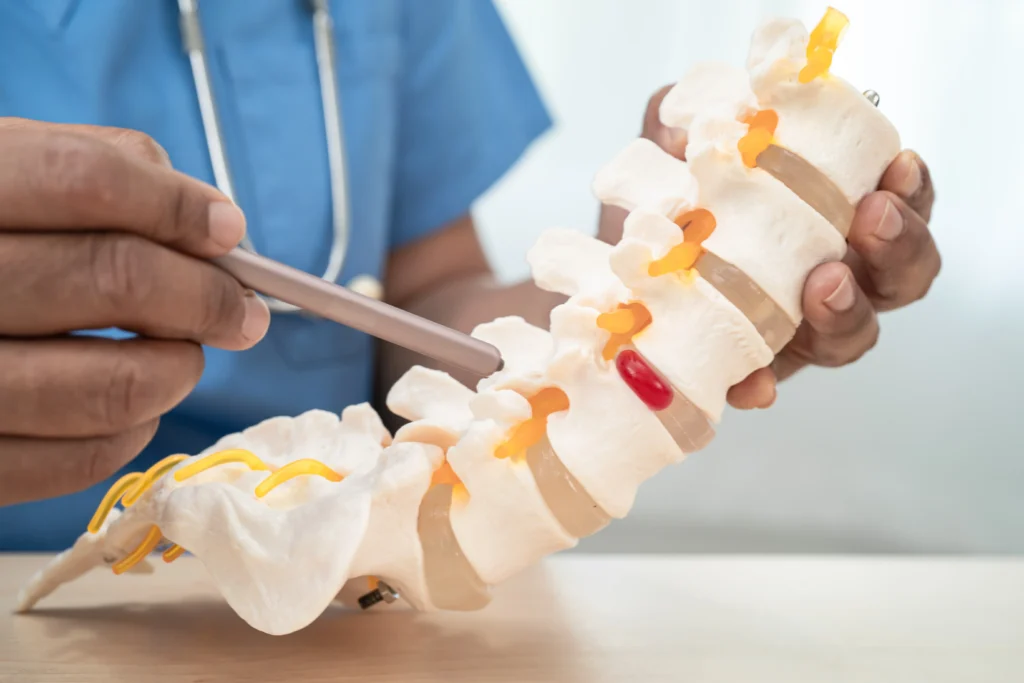
Spinal discs sit between each vertebra. They act as cushions and allow movement.
A herniated disc occurs when the inner material pushes through the outer layer. This can irritate nearby nerves.
Common Causes of a Herniated Disc
• Repetitive lifting
• Poor posture
• Sudden injury
• Age related disc wear
• Prolonged sitting
Herniated discs are most common in the lower back and neck.
Symptoms of a Herniated Disc
Symptoms vary based on the location and severity.
Common Signs to Watch
• Sharp or burning pain
• Pain that travels into arms or legs
• Tingling or numbness
• Muscle weakness
• Pain that worsens with movement
A lower back disc issue may cause sciatic nerve pain. A neck disc may affect the shoulders and arms.
How a Herniated Disc Causes Pain
A herniated disc affects nearby structures in several ways.
Pressure on Nerves
The disc can press on nerve roots. This leads to pain, numbness, or weakness.
Reduced Joint Movement
Spinal joints may become stiff. This limits mobility.
Muscle Tightness
Muscles tighten to protect the injured area. This increases discomfort.
Inflammation
Inflammation develops around the injured disc and nerve. This adds to pain levels.
Can a Chiropractor Help a Herniated Disc?
Yes. Chiropractors focus on restoring spinal movement and reducing nerve pressure.
They assess how your spine moves and identify restricted areas. Treatment targets the cause of pain instead of only the symptoms.
Many patients report improved mobility and reduced discomfort with consistent care.
How Chiropractic Care Helps Herniated Discs
Chiropractic care uses several methods to support recovery.
Spinal Adjustments
Chiropractic adjustments restore movement in restricted joints.
These adjustments help:
• Reduce pressure on nerves
• Improve spinal alignment
• Increase mobility
Spinal Decompression
Spinal decompression gently stretches the spine.
This helps:
• Lower pressure inside the disc
• Reduce nerve compression
• Improve circulation
Soft Tissue Therapy
Muscle tension often increases after a disc injury.
Soft tissue therapy helps:
• Relax tight muscles
• Improve blood flow
• Support healing
Therapeutic Exercises
Exercises strengthen the muscles that support your spine.
Common goals include:
• Improving core strength
• Increasing flexibility
• Reducing strain on the disc
Posture Correction
Poor posture increases pressure on spinal discs.
Chiropractors guide you on:
• Proper sitting position
• Safe lifting techniques
• Daily movement habits

Benefits of Chiropractic Care for Herniated Discs
Chiropractic care offers several advantages.
Key Benefits
• Non surgical approach
• Focus on the root cause
• Improved mobility
• Reduced nerve irritation
• Personalized treatment plans
Many patients choose conservative care before considering surgery.
How Long Does Recovery Take?
Recovery time depends on the severity of the disc injury.
General Recovery Timeline
• Mild cases, 2 to 6 weeks
• Moderate cases, 6 to 12 weeks
• Severe cases, several months
Starting care early can shorten recovery time.
Is Chiropractic Care Safe?
Chiropractic care is generally safe when performed by a licensed professional.
What to Expect
• Detailed evaluation before treatment
• Care tailored to your condition
• Adjustments based on tolerance
In some cases, imaging may be recommended to guide treatment.
When Should You See a Chiropractor?
You should seek care if symptoms do not improve or worsen.
Signs You Should Not Ignore
• Ongoing back or neck pain
• Pain spreading to arms or legs
• Tingling or numbness
• Weakness in muscles
• Reduced movement
Early care helps prevent long term complications.
What Happens If You Leave a Herniated Disc Untreated?
Ignoring symptoms can lead to more serious issues.
Possible Risks
• Chronic pain
• Increased nerve pressure
• Muscle weakness
• Reduced mobility
• Long term nerve damage
Timely care reduces these risks.

Chiropractic Care vs Surgery
Surgery may be needed in severe cases. This includes significant nerve damage or loss of function.
However, many herniated discs respond well to conservative care.
Why Patients Choose Chiropractic Care
• Non invasive approach
• Focus on restoring function
• Lower risk compared to surgery
It is often used as a first step before surgical options.
Self Care Tips to Support Recovery
You can support your recovery with simple habits.
Daily Tips
• Avoid long periods of sitting
• Maintain proper posture
• Use safe lifting techniques
• Stay active with light movement
• Follow prescribed exercises
These steps reduce stress on the spine.
Frequently Asked Questions
Can a chiropractor fix a herniated disc?
A chiropractor cannot reverse the disc structure directly. Treatment helps reduce pressure on the nerve and improve function.
Are adjustments safe for a herniated disc?
Yes. Chiropractors use controlled techniques based on your condition.
How many sessions will I need?
It depends on the severity of your injury. Some patients improve within weeks, while others need longer care.
Can a herniated disc heal on its own?
Some cases improve over time. However, untreated issues may persist or worsen.
What should I avoid with a herniated disc?
Avoid heavy lifting, sudden twisting, and prolonged sitting.
When is surgery necessary?
Surgery may be considered if symptoms are severe or involve significant weakness.
Conclusion
A herniated disc can cause pain, limited movement, and nerve symptoms that affect daily life. The condition often develops due to strain, poor posture, or injury.
Chiropractic care focuses on reducing nerve pressure, improving spinal movement, and supporting recovery. Many patients benefit from this non surgical approach, especially when treatment begins early.
Ignoring symptoms can lead to chronic pain and long term complications. Seeking professional care allows you to address the cause of the problem and improve your recovery outcome.
If you are experiencing symptoms of a herniated disc, a proper evaluation can help you take the right next step toward recovery.